
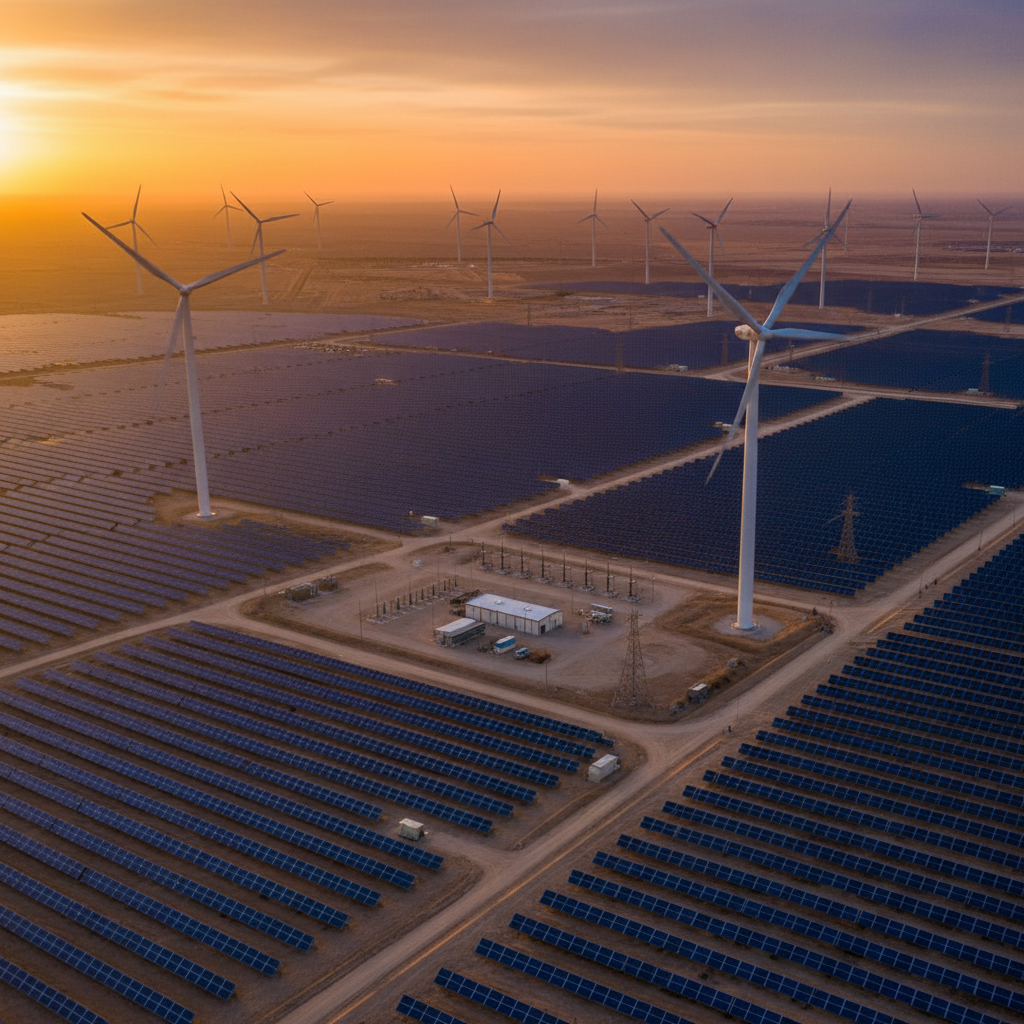
The global shift towards sustainable power sources has propelled the renewable energy infrastructure sector into a phase of unprecedented growth and innovation, attracting significant investment and strategic development worldwide. Renewable and storage projects are projected to supply an astounding 99% of new US power capacity by 2026, underscoring the critical need for sophisticated project development strategies and highly scalable business models. This dynamic environment demands a comprehensive understanding of the key players, emerging technologies, and financial frameworks that drive large-scale renewable energy projects.
The Evolving Landscape of Renewable Energy Infrastructure Development
The acceleration in renewable energy adoption is fueled by a confluence of favorable policies, increasing corporate and consumer demand, and rapid technological advancements. Developers are strategically positioning themselves to meet these demands, with a notable emphasis on integrated solutions that provide reliable, dispatchable power.
Drivers of Growth: Policy, Demand, and Technology
Government initiatives, such as Renewable Portfolio Standards (RPS), create robust market drivers for clean energy. Concurrently, hyperscalers and large corporations are committing to 100% renewable energy targets, driving significant demand for utility-scale solutions. Technological progress, particularly in battery energy storage systems (BESS), is transforming the economic viability and operational flexibility of renewable projects.
- Accelerated deployment of solar-plus-storage solutions is especially driven by hyperscaler demand for continuous, clean power.
- Prioritization of capital and operational efficiency is crucial amidst policy shifts and macroeconomic pressures, pushing developers towards leaner, smarter strategies.
- Integration of long-duration and distributed storage solutions represents crucial next-wave growth areas, enhancing grid stability and reliability.
Emerging Project Types and Hybrid Solutions
The industry is witnessing a significant shift towards hybrid power facilities, combining solar or wind generation with substantial energy storage. These integrated projects offer enhanced grid support, firm power delivery, and increased revenue streams, making them highly attractive to investors and off-takers alike.
- Hybrid power facilities, such as Enlight Renewable Energy’s CO Bar complex in Arizona, exemplify new trends with 1.2 GW of solar capacity and 4 GWh of storage.
- The strategic integration of battery energy storage systems (BESS) is transforming intermittency challenges into dispatchable, on-demand power.
- Next-generation storage technologies and grid-scale acceleration are becoming immediate priorities for building resilient renewable energy infrastructure.
Key Players and Their Role in Scaling Renewable Energy Infrastructure
The development of large-scale renewable energy infrastructure relies heavily on the expertise and financial prowess of leading global developers and strategic partnerships. These entities are instrumental in navigating the complexities of multi-gigawatt projects and securing the vast capital required.
Leading Developers and Their Global Footprint
Major developers operate on a global scale, managing extensive portfolios of solar, wind, and storage projects. Their experience in development, construction, financing, and operation is critical for bringing utility-scale projects to fruition and expanding the global renewable energy footprint.
- Major developers like Invenergy (over 29 GW developed globally), Clearway Energy (30 GW pipeline), and NextEra Energy dominate the market with their multi-gigawatt portfolios.
- Companies such as Apex Clean Energy and Recurrent Energy also play significant roles, specializing in large-scale solar, wind, and storage developments across various regions.
- Their global footprint reflects the widespread opportunity and necessity for robust renewable energy infrastructure to meet growing energy demands.
Strategic Partnerships and Financing Models
Developing projects that require billions in investment necessitates robust financing models and strategic alliances. These partnerships often involve collaborations between energy developers, technology providers, and institutional investors, ensuring both financial viability and successful execution. For example, Energende frequently engages in such collaborative models to bring complex projects to life.
- Large-scale collaborations, such as Brookfield Asset Management and Microsoft’s partnership to develop 10.5 GW of renewable capacity for data centers, are becoming common.
- Billions in project financing are consistently secured for utility-scale solar, wind, and energy storage assets, with firms like Arevon Energy completing over USD 3 billion in financings in 2024.
- Innovative financing models, including long-term Power Purchase Agreements (PPAs) and leveraging government incentives, are crucial for de-risking projects and attracting investment. Learn more about how these agreements create stable revenue streams in our article on Power Purchase Agreement Developers Creating Stable Energy Revenue Streams.
Implementing Scalable Business Models for Renewable Energy Infrastructure
Successful large-scale renewable energy infrastructure projects demand meticulously planned and scalable business models that account for every stage from conception to commercial operation. These models prioritize efficiency, resilience, and adaptability to evolving market conditions and regulatory landscapes.
From Project Conception to Commercial Operation
The journey of a renewable energy project involves rigorous planning, from site selection and resource assessment to securing permits and interconnection agreements. Efficiency in this phase is paramount, often involving strategic front-loading of construction activities to capitalize on incentives and accelerate timelines.
- Front-loading construction to secure safe-harbor eligibility and maximize financial incentives, such as those related to the Inflation Reduction Act, is a key developer strategy.
- Developers aim for staged commercial operations, often across multi-stage projects, with meticulous planning to achieve targeted commissioning dates.
- The swift transition from development to operational status is critical for capitalizing on market demand and policy support while maintaining cost discipline across all project phases.
Managing Supply Chain and Permitting Complexities
Global supply chain disruptions, geopolitical shifts, and intricate permitting processes present significant hurdles for renewable energy infrastructure developers. Strategic foresight in supplier diversification and careful site selection are essential for mitigating these challenges and ensuring project continuity.
- Diversifying suppliers and investing domestically is becoming essential to mitigate impacts from Foreign Entity of Concern (FEOC) rules and tariffs on imported components.
- Strategic siting of projects in areas with strong market drivers, robust Renewable Portfolio Standards (RPS) support, and clear permitting pathways is crucial for sustained deployment.
- Navigating complex permitting processes, managing environmental impact assessments, and securing grid interconnection are major bottlenecks requiring specialized expertise and proactive engagement with stakeholders.
Future Trends and Investment in Large-Scale Renewable Energy Projects
The future of large-scale renewable energy is characterized by an intensified focus on resilient infrastructure, advanced grid modernization, and the emergence of new, high-demand applications. Investment continues to pour into the sector, driving innovation and expanding the scope of what is possible.
The Rise of Resilient Infrastructure and Grid Modernization
As renewable energy penetration increases, so does the imperative for a robust and resilient electrical grid capable of integrating variable power sources. This requires significant investment in transmission, distribution, and advanced energy management systems, often incorporating AI and digital tools. Building a modern, resilient grid is central to Energende’s commitment to sustainable energy futures.
- Renewable and storage projects are projected to supply 99% of new US power capacity by 2026, highlighting their pivotal role in energy independence and grid evolution.
- Significant investment drives, like Octopus Energy Generation’s $1 billion push into US clean technology, are channeling capital into solar and battery storage projects.
- Immediate priorities for the sector include developing next-gen storage solutions, accelerating grid-scale integration, and building highly resilient energy infrastructure that can withstand various challenges. You can explore how utility-scale solar projects contribute to these goals in our article on Utility Scale Solar Projects Supporting ESG Driven Investment Strategies.
Opportunities in Solar-Powered Data Centers and Green Hydrogen
The digital economy’s insatiable demand for computing power is creating a powerful synergy with large-scale renewable energy. Solar-powered data centers are a prime example of this, driving the development of massive solar farms and battery storage facilities designed for direct power supply to hyperscalers. Green hydrogen production also presents a significant future opportunity for leveraging abundant renewable electricity.
- Solar-powered data centers represent a crucial evolution, directly linking clean energy generation with the high computational needs of the digital age.
- Partnerships, such as the 10.5 GW initiative between Brookfield and Microsoft to power data centers, demonstrate the immense scale and investment potential in this emerging sector.
- Green hydrogen production offers another significant demand vector for large-scale renewable energy generation, utilizing excess clean electricity to produce a carbon-free fuel.
For deeper insights on related topics, our article on Wind Energy Project Financing Models for Institutional Investors explores complementary aspects of Energende’s renewable energy approach that project developers will find valuable.
Frequently Asked Questions About renewable energy infrastructure
Q: What defines large-scale renewable energy infrastructure projects?
A: Large-scale renewable energy infrastructure projects typically involve utility-scale solar farms, extensive wind energy installations, and significant hydroelectric plants. These projects are characterized by their multi-megawatt to gigawatt capacities, often requiring substantial land, complex grid interconnections, and multi-billion-dollar investments, aiming to power entire regions or industries.
Q: How do developers ensure the financial viability of renewable energy infrastructure?
A: Developers ensure financial viability through a combination of robust project financing, long-term power purchase agreements (PPAs), and leveraging government incentives like safe-harbor credits. They also focus on operational efficiencies, cost discipline in equipment and construction, and strategic partnerships to de-risk projects and secure funding.
Q: What are the major challenges in developing new renewable energy infrastructure?
A: Key challenges include navigating complex permitting processes, securing resilient supply chains amidst geopolitical shifts (e.g., FEOC rules), managing grid interconnection bottlenecks, and attracting sufficient skilled workforce. Project developers also face the challenge of integrating storage solutions to ensure firm, dispatchable power delivery.
Q: What role do solar-powered data centers play in renewable energy infrastructure?
A: Solar-powered data centers represent a crucial evolution in renewable energy infrastructure, directly linking clean energy generation with high-demand computational needs. These centers not only reduce the carbon footprint of data operations but also drive demand for large-scale solar and battery storage projects, fostering innovative business models for direct renewable energy supply to hyperscalers.
Partner with Energende
The continued expansion of renewable energy infrastructure is vital for meeting global energy demands sustainably and economically. As developers refine scalable business models and integrate advanced technologies like storage and AI, the pathway to a cleaner, more resilient energy future becomes clearer. Energende is committed to leading this transformation, offering unparalleled expertise in the development, financing, and execution of large-scale renewable energy infrastructure projects across solar, wind, hydroelectric, and solar-powered data center domains.
To discuss your next large-scale renewable energy infrastructure project or to explore partnership opportunities, contact Energende today for a consultation. Our team is ready to help you navigate the complexities and realize the full potential of your renewable energy vision.