
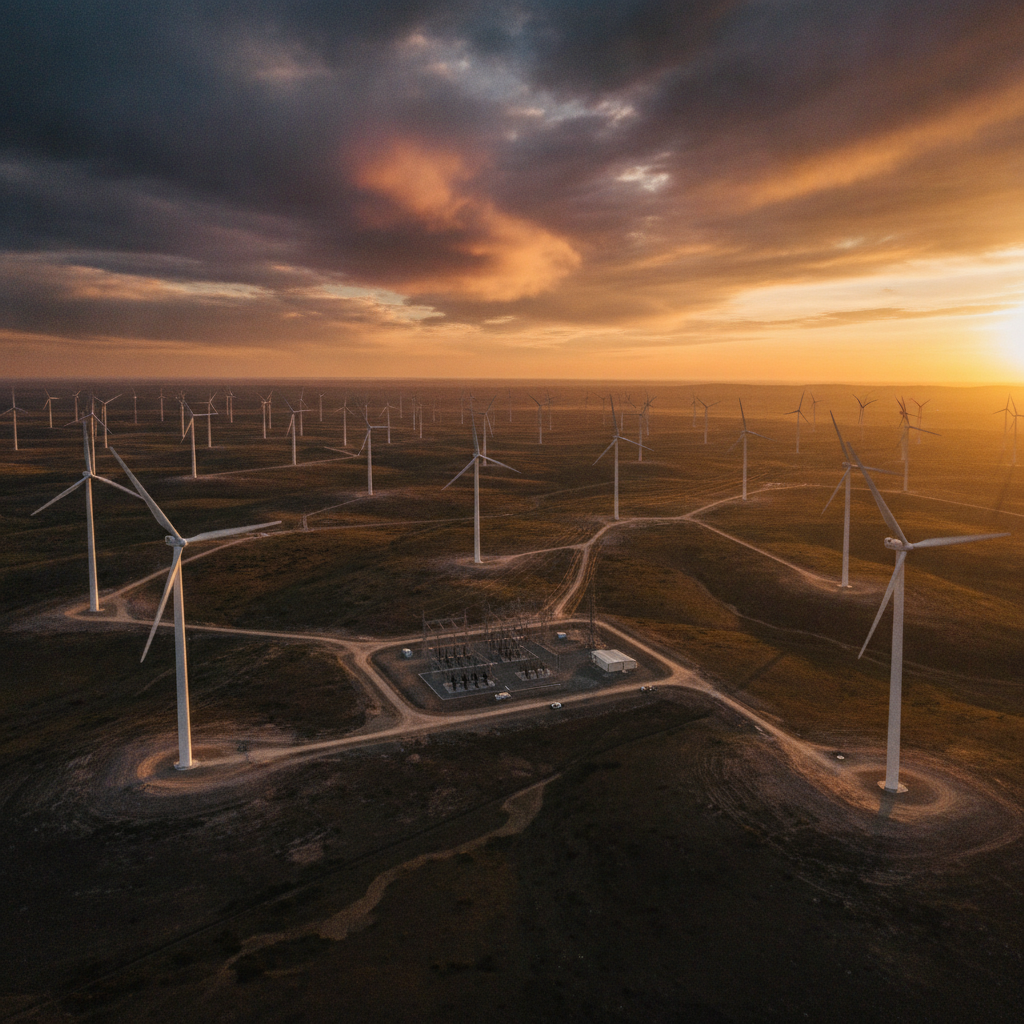
As the global demand for sustainable power continues to surge, optimizing large-scale wind energy infrastructure has become paramount for developers, investors, and project owners. The global transition to clean power hinges on efficient and scalable solutions, with wind power playing a pivotal role. This article delves into the critical strategies Energende employs to enhance site selection and performance, driving efficiency and profitability across the lifecycle of major wind farm developments, from onshore giants to burgeoning offshore projects.
Strategic Site Selection for Maximizing Wind Energy Potential
Effective site selection is the cornerstone of any successful wind energy project. Energende leverages sophisticated data analytics and comprehensive geospatial analysis to pinpoint locations with optimal wind resources, ensuring maximum energy capture and return on investment. This meticulous process significantly minimizes environmental impact while maximizing generation capacity.
Our approach integrates diverse datasets, including long-term meteorological patterns, detailed geological surveys, and crucial grid interconnection feasibility studies. By combining this information, we identify sites that not only boast high wind speeds but also offer practical and cost-effective pathways to connect to the existing energy grid, crucial for large-scale energy infrastructure projects. For an in-depth look at global energy shifts, explore our insights on Energy Infrastructure Investment Opportunities Across Emerging Markets.
Leveraging Advanced Geospatial Analysis for Resource Assessment
Energende utilizes cutting-edge geospatial tools and predictive modeling to assess wind resources with unparalleled accuracy. This involves analyzing terrain complexity, atmospheric conditions, and historical wind data to forecast long-term energy yields. Such precise resource assessment is vital for de-risking investments in large-scale wind energy developments.
Beyond wind resource evaluation, our analysis extends to potential land use conflicts, ecological sensitivities, and proximity to critical infrastructure. This holistic perspective ensures that chosen sites are not only technically viable but also socially and environmentally responsible, setting the stage for smoother project development. For more information on renewable energy data and trends, visit the International Renewable Energy Agency (IRENA) website.
Navigating Permitting and Regulatory Landscapes for Large-Scale Wind Energy
Navigating the complex labyrinth of permits and regulations is a critical phase for any large-scale wind energy project. Energende proactively engages with all stakeholders, including local communities, environmental agencies, and governmental bodies, from the earliest stages. This collaborative approach helps streamline the permitting process and accelerate project timelines.
Our expert teams possess deep knowledge of regional and national regulatory frameworks, ensuring compliance and anticipating potential challenges. By addressing concerns transparently and effectively, we build consensus and secure the necessary approvals to move large-scale wind farm developments forward efficiently. This strategic engagement minimizes delays and avoids costly revisions.
Optimizing Capital and Operational Efficiency in Wind Projects
Achieving superior capital and operational efficiency is paramount for the long-term success and profitability of large-scale wind energy ventures. Energende implements lean strategies throughout the project lifecycle to sharpen capital discipline across all components, from equipment procurement to design, engineering, and labor costs. This rigorous cost management is essential in a competitive market.
Beyond initial capital expenditure, we focus on maximizing operational performance and minimizing ongoing expenses. This includes optimizing maintenance schedules, reducing downtime, and ensuring the highest possible capacity factors for the wind turbines. Such an integrated approach ensures projects remain economically viable and attractive to investors over their entire operational lifespan.
Innovative Project Financing and Investment Strategies
Securing robust financing is a cornerstone of large-scale wind project development. Energende guides developers in leveraging advantageous tax credits and exploring diversified revenue streams, including long-term Power Purchase Agreements (PPAs). These agreements provide stable income, critical for attracting institutional investors.
We work with clients to structure innovative financing solutions, tapping into a broad network of investors keen on substantial, sustainable infrastructure assets. This includes securing financing for projects like the SunZia Wind Project, expected to power 1 million homes, or the Alle-Catt Wind Farm, valued at $454 million, both of which demonstrate the scale of investment in onshore wind energy in the US. Our strategies are designed to optimize capital structures and enhance investor confidence, essential for large-scale developments that demand significant upfront investment.
Streamlining Procurement and Supply Chain Management for Resilience
A resilient and efficient supply chain is crucial for mitigating macroeconomic pressures and ensuring project continuity in large-scale wind farm construction. Energende prioritizes building flexible procurement strategies through diversified suppliers, reducing reliance on single sources and enhancing responsiveness to market fluctuations.
We also advocate for strategic domestic investment in manufacturing and logistics where feasible, further strengthening supply chain resilience and compliance with evolving trade regulations. This proactive approach minimizes risks associated with material shortages, price volatility, and geopolitical shifts, protecting project timelines and budgets. To learn more about supply chain resilience in renewable energy, explore resources from the U.S. Department of Energy.
The Rising Tide of Offshore Wind Energy Infrastructure
Offshore wind energy has emerged as a powerhouse in the global renewable energy landscape, witnessing a significant boom in investment and capacity. This sector offers immense potential for large-scale power generation, driven by stronger, more consistent winds and fewer spatial constraints compared to onshore developments. The value of offshore wind investment surged by 290% to US$89.8 billion recently, despite a slight drop in the number of deals, indicating a focus on larger, more substantial projects.
This growth is fueled by ambitious decarbonization targets and technological advancements that make offshore installations increasingly viable and cost-effective. Megadeals in regions like the North Sea and emerging markets across Asia and North America highlight the institutional appetite for these massive infrastructure investments. For more detailed global energy statistics, refer to the International Energy Agency (IEA).
Scaling Up Global Offshore Wind Energy Capacity and Investment
The global offshore wind sector is scaling up at an unprecedented pace. Projects like the 3.6 GW Dogger Bank Wind Farm in the North Sea, nearing completion, exemplify the monumental scale of these developments, with its 277 foundations marking a historic construction milestone. Similarly, Ørsted’s 2.9 GW Hornsea 3 project is well underway, solidifying the North Sea’s role as a global leader in offshore wind energy.
In the US, projects like Revolution Wind, America’s first multi-state offshore wind farm, are set to power 350,000 homes in Rhode Island and Connecticut by 2026. Offshore wind farms demonstrate impressive reliability; for instance, Ørsted’s South Fork Wind project achieved a 46.3% capacity factor in 2025 and 51.6% in January 2026, generating electricity on 99% of days. These proven track records are attracting substantial institutional investment worldwide. Furthermore, understanding the broader landscape of power generation is key; consider reading our article on Independent Power Producer Companies Driving Global Energy Transformation for additional context.
Overcoming Development Challenges in Marine Environments
Developing offshore wind energy projects presents unique challenges that require specialized expertise and innovative solutions. Complex marine logistics are at the forefront, involving the transport and installation of massive components in often harsh ocean environments. This necessitates precise planning and state-of-the-art vessels.
The design and rollout of specialized foundations, tailored to varying seabed conditions and water depths, also demand significant engineering prowess. Moreover, stringent environmental protections for marine ecosystems are paramount, requiring comprehensive impact assessments and mitigation strategies. Energende excels in navigating these complexities, ensuring projects like the 2.6 GW Coastal Virginia Offshore Wind (CVOW) project, which will power 660,000 homes, are delivered safely and sustainably.
Future-Proofing Wind Projects with Advanced Technology Integration
The future of large-scale wind projects hinges on integrating advanced technologies that enhance grid stability, optimize performance, and extend asset lifespan. Energende champions the adoption of cutting-edge solutions to ensure that today’s wind farms are resilient and adaptable to tomorrow’s energy demands. This proactive approach safeguards investments and maximizes long-term value.
From advanced sensors and data analytics to intelligent control systems, these technologies are transforming how wind energy is generated, managed, and delivered. The focus is on creating smart, interconnected wind infrastructure that can operate at peak efficiency, respond dynamically to grid needs, and contribute reliably to a decarbonized energy future.
Integrating Storage Solutions for Enhanced Grid Stability
The intermittency of wind power can be effectively addressed by integrating energy storage solutions. Energende develops hybrid wind-plus-storage projects, often utilizing battery energy storage systems, to deliver firm, dispatchable power on demand. This is particularly crucial for meeting the growing, consistent power requirements of hyperscalers and data centers.
By storing excess electricity generated during high wind periods and releasing it when demand is high or wind generation is low, these hybrid systems significantly enhance grid stability and reliability. This capability makes wind energy a more predictable and valuable asset within the broader energy mix. Insights on storage solutions can be found on the National Renewable Energy Laboratory (NREL) website.
Leveraging Digital Twins and Predictive Maintenance for Peak Performance
Digital twin technology and AI-driven predictive maintenance are revolutionizing asset management for wind farms. Energende employs these advanced tools to create virtual replicas of physical turbines, allowing for real-time monitoring, simulation, and analysis of performance under various conditions. This enables proactive decision-making and continuous optimization.
AI and machine learning algorithms analyze vast datasets from sensors on turbines to predict potential component failures before they occur. This shifts maintenance from reactive to predictive, significantly reducing downtime, optimizing turbine performance, and extending the operational lifespan of critical assets. Implementing smart grid technologies also ensures seamless integration of large-scale wind generation, guaranteeing reliability and efficient energy delivery.
For deeper insights on related topics, our article on Solar Project Financing Strategies to Maximize Returns and Reduce Risk explores complementary aspects of Energende’s renewable energy approach that project developers will find valuable.
Frequently Asked Questions About wind energy
Q: How does Energende approach site selection for large-scale wind energy projects?
A: Energende utilizes advanced geospatial analysis and meteorological modeling to identify sites with optimal wind resources and minimal environmental impact. Our approach integrates rigorous data assessment with regulatory expertise to ensure ideal positioning for every wind energy development.
Q: What are the primary factors driving the growth of offshore wind energy investments?
A: The significant growth in offshore wind energy is driven by its immense potential for large-scale power generation, technological advancements, and increasing institutional appetite for substantial, reliable renewable energy assets. Policy support and commitments to decarbonization also play a crucial role.
Q: How does integrating storage enhance the reliability of wind energy farms?
A: Integrating storage solutions, such as battery energy storage systems, allows wind energy farms to store excess power generated during peak wind periods and dispatch it when needed. This significantly stabilizes the grid, mitigates intermittency, and enhances the overall reliability and value of wind energy.
Q: What role do advanced technologies play in optimizing long-term wind energy performance?
A: Advanced technologies like digital twins, AI-driven predictive maintenance, and IoT sensors are crucial for optimizing long-term wind energy performance. They enable real-time monitoring, identify potential issues before they cause downtime, and ensure maximum efficiency and extended operational life for wind farm assets.
Partner with Energende
Optimizing site selection and performance is not just an advantage; it’s a necessity for successful large-scale wind energy projects. By embracing strategic planning, innovative financing, and cutting-edge technology, developers can navigate the complexities of this dynamic sector. Energende is committed to driving the future of wind energy infrastructure, ensuring robust, efficient, and sustainable power generation.
Ready to optimize your next large-scale wind energy project? Contact Energende today for expert consultation and bespoke infrastructure solutions.

About the Author
Allison Parim
Allison Parim is a renewable energy analyst and content strategist at Energende, where she covers utility-scale solar, wind, hydropower, and solar-powered data center infrastructure. With a background in energy project development and a focus on making complex infrastructure topics accessible to developers, investors, and policymakers, Allison brings technical depth and strategic clarity to every article. She believes that well-informed project owners make better decisions — and that clear, accurate content is one of the most powerful tools in the energy transition.