
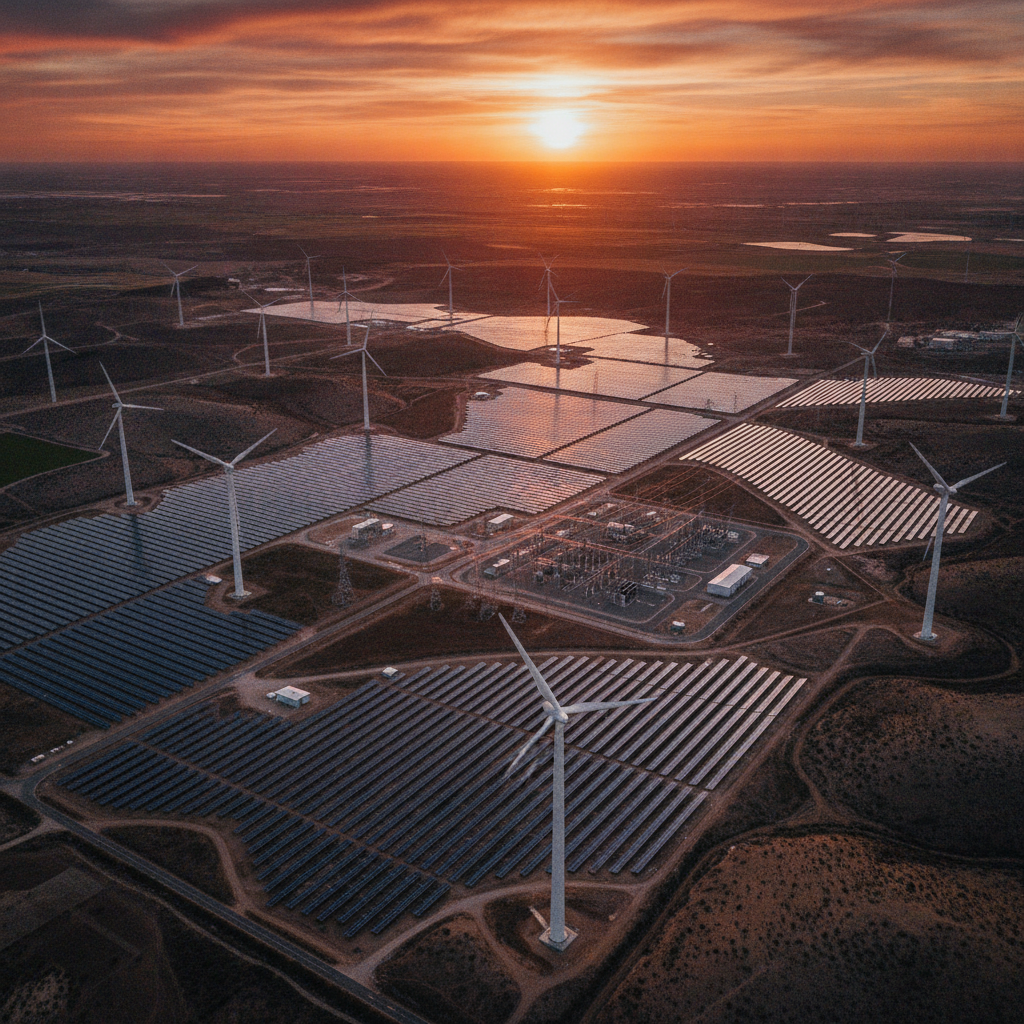
The global shift towards sustainable energy sources is driving unprecedented growth in renewable energy infrastructure, particularly within dynamic emerging markets. As global power demand continues to surge, fueled by electrification and advanced digital needs, the need for robust, clean energy systems has never been more critical. This presents unparalleled opportunities for investors and developers focused on large-scale renewable energy projects, promising both environmental impact and substantial financial returns.
The Global Imperative for Renewable Energy Infrastructure Investment
The world is witnessing an unparalleled surge in energy demand, largely driven by rapid industrialization, the widespread adoption of electric mobility, and the escalating energy requirements of data centers. These factors are compelling nations to invest heavily in modernizing and expanding their energy grids. According to RBC Capital Markets, the global energy infrastructure sector is entering a multi-year expansion cycle, propelled by these powerful secular trends that are reshaping how energy companies operate and where they invest. This demand is not just for any energy, but increasingly for reliable, sustainable, and clean sources.
Surging Global Power Demand and Electrification
Electrification is a foundational pillar of modern economic growth, particularly in emerging markets where access to reliable electricity can transform industries and improve living standards. Data centers, essential for the digital economy, are particularly energy-intensive, adding significant pressure to existing grids. This unprecedented demand requires a strategic pivot towards scalable and sustainable power generation, making large-scale renewable energy infrastructure a top priority.
Policy Support and Incentives in Developing Nations
Governments in developing nations are increasingly committed to decarbonization and enhancing energy security. This commitment translates into robust policy frameworks, including feed-in tariffs, tax incentives, and streamlined regulatory processes, designed to attract foreign direct investment into the renewable sector. These supportive environments significantly de-risk projects and improve their bankability, encouraging greater participation from private capital. For a broader perspective on how various entities are shaping this landscape, consider exploring the role of Independent Power Producer Companies Driving Global Energy Transformation.
Global energy investment forecasts underscore this trend, with electricity-related spending making up nearly 60% of all global energy investment. The International Energy Agency (IEA) projects that investments in electricity supply and infrastructure are expected to reach USD 1.6 trillion in 2026, rising to USD 2 trillion when spending on end-use electrification is included. This monumental capital expenditure highlights the strategic importance and growth potential of the global renewable energy infrastructure sector. More data on global energy investment trends can be found on the IEA website, a leading resource for energy statistics and policy analysis. IEA.org
Energende’s Blueprint: Diversified Renewable Energy Infrastructure Solutions
Energende specializes in delivering comprehensive, large-scale renewable energy infrastructure solutions tailored to the unique demands of emerging markets. Our expertise spans the entire project lifecycle, from initial feasibility studies and design to financing, construction, and long-term operation. We pride ourselves on developing resilient, high-performing assets that contribute significantly to national energy grids and local economies.
Utility-Scale Solar and Wind Farm Development
We design and deploy expansive utility-scale solar farms and wind energy projects capable of feeding substantial power into national grids. These projects are meticulously planned to maximize energy generation efficiency, utilizing advanced technologies and robust engineering practices. Our focus on optimal site selection and sophisticated meteorological analysis ensures high capacity factors and reliable power output over decades. Energende is committed to setting new benchmarks in the development of these critical assets.
Harnessing Hydroelectric Power Potential
Hydroelectric power remains a cornerstone of stable, reliable base-load energy, particularly in regions with abundant water resources. Energende possesses extensive experience in developing and rehabilitating robust hydroelectric plants. Our projects are engineered for longevity and efficiency, providing consistent power generation that complements the intermittent nature of solar and wind, thereby enhancing overall grid stability and resilience.
Integrating Renewables for Solar-Powered Data Centers
The exponential growth of the digital economy has made solar-powered data centers a critical component of sustainable development. Energende pioneers sustainable power solutions for these energy-intensive facilities, integrating dedicated renewable energy sources directly. This approach not only provides a stable, clean power supply but also significantly reduces the operational carbon footprint of data centers. For more detailed strategies on this specialized area, our article on Net Zero Data Center Development Strategies for Sustainable Growth offers valuable insights.
Navigating Investment in Emerging Market Renewable Energy Infrastructure
Investing in emerging markets, while offering high growth potential, requires a nuanced understanding of local contexts and robust financial structuring. Energende’s extensive experience in these regions positions us as an ideal partner for navigating these complexities. We are adept at identifying prime opportunities and structuring projects to meet international investment standards.
Strategic Risk Allocation and Financial Structuring
The bankability of large-scale renewable energy infrastructure projects hinges on disciplined capital structuring and clear risk allocation. Energende works closely with investors to design financial models that mitigate risks associated with currency fluctuations, regulatory changes, and off-take agreements. We ensure projects are aligned with institutional investor requirements, allowing for long-term investment and successful financial close, even in challenging environments. The U.S. Department of Energy provides valuable insights into clean energy funding and financing models. Energy.gov
Regional Hotspots and Growth Forecasts
Emerging markets offer diverse opportunities, with regions like Sub-Saharan Africa and Southeast Asia standing out. In Sub-Saharan Africa, renewable electricity deployment targets the approximately 600 million people without electricity, representing 47% of the population. Grid infrastructure, however, remains a primary constraint, with investment required to rise 50% by 2030 to unlock this potential. IEA data indicates that investment in Sub-Saharan Africa is set to rise 12% to nearly USD 24 billion in 2026, following an 18% year-on-year decline in 2025, signaling a rebound and growing interest in the region’s renewable energy infrastructure.
Addressing Grid Connection and Talent Challenges in Renewable Energy Infrastructure
The rapid expansion of renewable energy infrastructure places considerable pressure on existing grid systems. Many emerging markets require substantial upgrades to transmission and distribution networks to effectively integrate new generation capacity. Talent shortages, particularly for engineers experienced in transmission, storage, and renewable integration, further compound these challenges. Energende proactively addresses these issues by engaging local talent, fostering skill development, and partnering with experienced grid operators to ensure seamless project integration. According to LVI Associates, grid connection pressures linked to renewable growth will increase demand for engineers with experience in system studies and interconnection processes, highlighting the critical need for specialized expertise in large-scale renewable energy infrastructure development.
Future-Proofing Grids: The Evolution of Energy Infrastructure
The energy transition demands not just new generation sources but a complete overhaul and modernization of existing energy infrastructure. This evolution involves significant investment in storage technologies, advanced transmission systems, and digitalization to create resilient and flexible grids capable of handling the variability of renewable energy.
The Expanding Role of Battery Energy Storage
Battery energy storage systems (BESS) are critical for stabilizing grids and maximizing the value of intermittent renewable sources like solar and wind. Delphos forecasts that battery storage capacity is expected to reach 123 GW globally by 2026. This growth significantly enhances grid flexibility, supports peak-load management, and reduces reliance on legacy thermal generation, ensuring consistent power supply. Energende integrates advanced BESS solutions into our projects, ensuring reliable energy delivery and optimal grid performance.
Transmission and Distribution Modernization
Significant investment is being channeled into modernizing transmission and distribution networks. This includes building new high-voltage transmission lines and circuits to connect remote renewable generation sites to urban demand centers. In the UK, Ofgem approved a £24 billion investment program (over 2026-2031) for Britain’s gas and electricity networks, including £8.9 billion for high-voltage transmission and support for 4,400 km of modernized overhead lines and 3,500 km of new circuits, essential for connecting 126 GW of renewable power by 2030. This level of investment is crucial for the efficient and reliable delivery of clean energy across national grids.
Digitalization and Advanced Grid Technologies
The future of energy infrastructure is intrinsically linked to digitalization and the deployment of smart-grid systems. These technologies enable real-time monitoring, predictive maintenance, and optimized energy flow, enhancing grid efficiency and resilience. From advanced metering infrastructure to AI-powered grid management platforms, these digital upgrades are essential for a seamless transition from legacy thermal generation to a renewable-powered future. The International Renewable Energy Agency (IRENA) offers valuable publications on innovations in smart grid technologies. IRENA.org
For deeper insights on related topics, our article on Solar Project Financing Strategies to Maximize Returns and Reduce Risk explores complementary aspects of Energende’s renewable energy approach that project developers will find valuable.
Frequently Asked Questions About renewable energy infrastructure
Q: What are the primary drivers for growth in renewable energy infrastructure in emerging markets?
A: Growth is primarily driven by surging electricity demand, especially from industrialization and data centers, coupled with ambitious national electrification targets and increasing policy support for clean energy transition. These markets often present substantial untapped natural resources for solar, wind, and hydro power.
Q: How does Energende address the challenges of developing large-scale renewable energy infrastructure projects in new markets?
A: Energende employs rigorous due diligence, strategic partnerships, and adheres to international best practices for project financing and risk mitigation. Our experienced teams navigate complex regulatory landscapes, ensure robust engineering, and build strong community relations to deliver successful projects.
Q: What role does energy storage play in the expansion of renewable energy infrastructure?
A: Energy storage, particularly battery energy storage, is crucial for stabilizing grids as variable renewable sources like solar and wind expand. It enables peak-load management, improves grid flexibility, and reduces reliance on fossil fuel backups, ensuring consistent power supply to critical infrastructure.
Q: Are there specific regions within emerging markets showing significant renewable energy infrastructure investment potential?
A: Yes, regions like Sub-Saharan Africa, parts of Southeast Asia, and Latin America are experiencing significant growth. These areas often have high energy demand deficits and abundant renewable resources, making them prime for large-scale solar, wind, and hydroelectric developments, provided grid infrastructure can keep pace.
Partner with Energende
Investing in large-scale renewable energy infrastructure across emerging markets is not just an environmental imperative; it’s a strategic economic opportunity. Energende stands ready to partner with investors and project owners to develop these critical assets, driving both sustainable growth and substantial returns.
Explore the vast potential of renewable energy infrastructure. Contact Energende today to discuss your next large-scale project or investment opportunity.

About the Author
Allison Parim
Allison Parim is a renewable energy analyst and content strategist at Energende, where she covers utility-scale solar, wind, hydropower, and solar-powered data center infrastructure. With a background in energy project development and a focus on making complex infrastructure topics accessible to developers, investors, and policymakers, Allison brings technical depth and strategic clarity to every article. She believes that well-informed project owners make better decisions — and that clear, accurate content is one of the most powerful tools in the energy transition.