
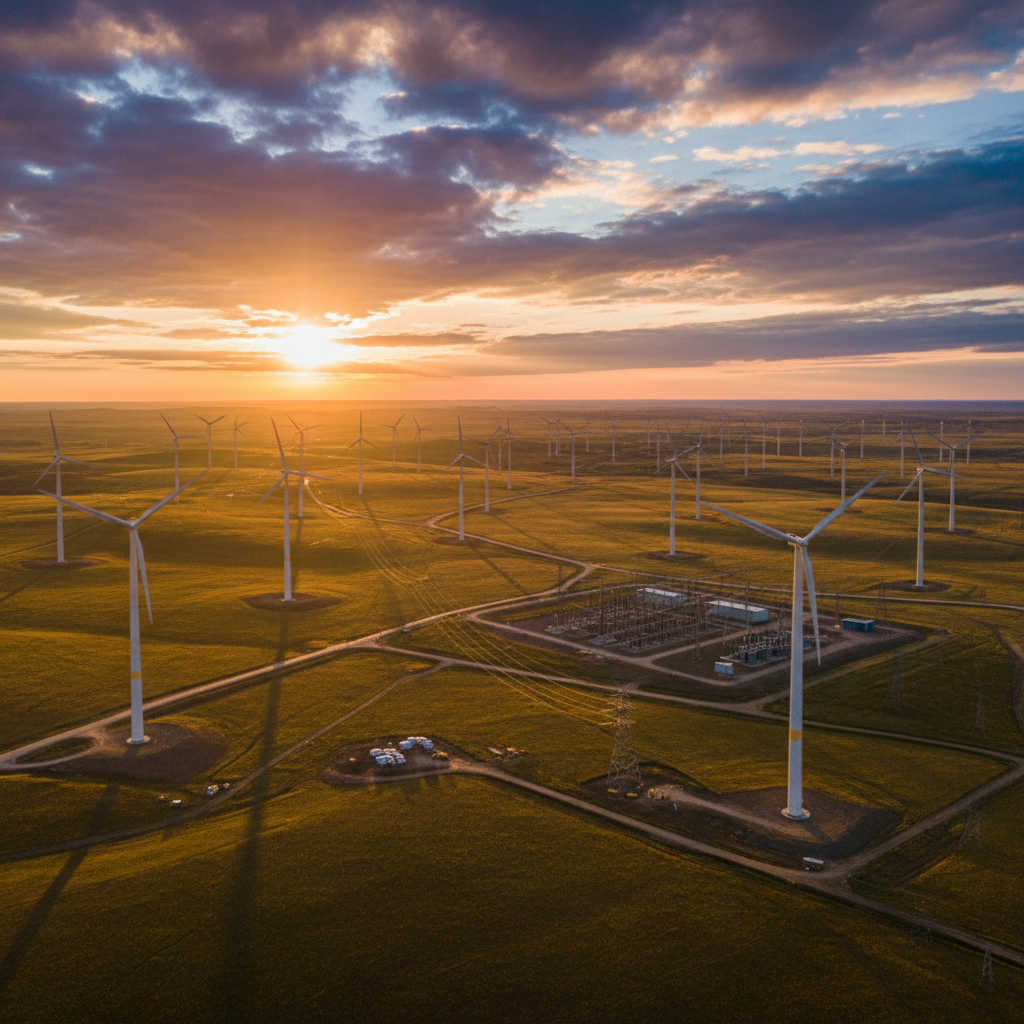
The landscape of global energy is rapidly evolving, with utility-scale wind energy projects emerging as a cornerstone of sustainable development, particularly across dynamic Asian markets. Offshore turbines in the 14-15 MW range are now the commercial standard for new utility-scale projects, with even larger 18-20 MW platforms targeted for deployment by 2026, signaling a monumental shift in power generation capabilities. As the world pushes for decarbonization, countries in Asia are increasingly investing in massive wind energy infrastructure, transforming their energy mix and driving significant economic growth. This pivotal shift underscores the need for robust planning, advanced technology, and strategic partnerships to realize the full potential of this renewable powerhouse.
Revolutionizing Global Wind Energy Technology
The global energy sector is witnessing unprecedented innovation, particularly in the realm of utility-scale wind energy. Continuous advancements in turbine design and operational efficiency are not only making wind power more competitive but also expanding its applicability to more challenging environments. These technological leaps are crucial for meeting the escalating global demand for clean, sustainable electricity.
Evolving Turbine Technology and Scale
Modern wind turbine technology has scaled dramatically, moving from earlier megawatt-class machines to colossal generators. Today, offshore turbines in the 14-15 MW range are the commercial standard, improving efficiency by generating more power per foundation. Leading manufacturers like Mingyang Smart Energy are already developing platforms in the 18-20 MW class, with rotor diameters approaching an astounding 280 meters, targeted for deployment starting in 2026. These next-generation turbines require advanced structural hardening to withstand extreme conditions, such as typhoons, which are prevalent in many Asian regions.
Onshore vs. Offshore Project Dynamics
While onshore wind energy projects continue to expand in regions with abundant land and strong wind resources, offshore wind energy is rapidly gaining traction. Offshore installations typically benefit from higher and more consistent wind speeds, leading to greater capacity factors. Technological advancements, including the development of floating offshore platforms, are further expanding the potential for wind generation in deeper waters, unlocking vast untapped resources. This dual approach allows for diverse development strategies tailored to specific geographical and economic contexts, ensuring the comprehensive deployment of wind energy solutions.
Driving Asia’s Wind Energy Boom: Market Demands and Policies
Asia stands at the epicenter of a global energy transformation, with its markets becoming increasingly vital for wind energy expansion. The confluence of rapid economic growth, ambitious climate goals, and strategic energy security imperatives is fueling an unparalleled investment in utility-scale wind infrastructure across the continent. This dynamic environment presents both significant opportunities and complex challenges for developers and investors alike.
Rising Energy Demand and Decarbonization Goals
The rapid economic growth and urbanization across Asian nations fuel an escalating demand for electricity. This demand is further intensified by the increasing construction of data centers and other energy-intensive infrastructure, all requiring reliable, clean power sources. Simultaneously, many Asian governments have set ambitious decarbonization goals, committing to significant reductions in carbon emissions. Wind energy offers a sustainable and scalable solution to meet this surging demand while drastically lowering carbon footprints.
Countries like China, India, and Vietnam are leading the charge, integrating substantial wind power capacity into their national grids. This strategic shift not only supports environmental objectives but also enhances national energy security by reducing reliance on fossil fuel imports. The sheer scale of development required translates into enormous potential for large-scale infrastructure projects across the region. Energende recognizes this critical intersection of demand and sustainability, positioning ourselves to deliver impactful solutions.
Policy Support and Investment Incentives
Government targets for renewable energy, combined with supportive regulatory frameworks and investment incentives, are critical for de-risking and attracting capital into large-scale wind energy projects. Policies such as feed-in tariffs, tax credits, and streamlined permitting processes provide the financial certainty necessary for major infrastructure investments. These policy signals are crucial in encouraging both domestic and international investors to commit to long-term projects. For example, several Asian countries have established clear roadmaps and targets for offshore wind development, providing a stable environment for project planning and execution. The commitment to such policies is fundamental to accelerating the deployment of wind energy infrastructure across the continent. The International Energy Agency (IEA) provides extensive analysis on these policy trends, highlighting their global impact. More information can be found on their website: www.iea.org.
Navigating Challenges and Opportunities in Asian Wind Energy Development
While the potential for utility-scale wind energy in Asia is immense, successful development hinges on effectively navigating a complex landscape of challenges and opportunities. From grid integration to supply chain optimization, each aspect requires careful consideration and strategic planning to ensure projects are not only viable but also deliver long-term value. Energende understands these intricacies, offering tailored expertise to overcome hurdles and maximize potential.
Overcoming Grid Integration and Permitting Hurdles
Developing large-scale wind energy projects often faces significant hurdles related to grid connection constraints and complex permitting processes. Existing grid infrastructure may not be sufficient to handle the influx of large amounts of intermittent renewable energy, necessitating substantial upgrades and modernization. Additionally, environmental assessments, land acquisition, and community engagement can lead to lengthy approval timelines and increased costs. Some projects have even struggled due to power price slumps in high-penetration areas, discouraging new capacity buildout. Effective strategic planning is therefore essential to manage the intermittency of wind power, requiring advanced grid modernization and increased battery storage capacity to ensure stability and reliability of supply. The U.S. Department of Energy (DOE) offers insights into managing grid challenges globally: www.energy.gov.
Leveraging Regional Manufacturing and Supply Chains for Wind Energy
Asia’s growing manufacturing capabilities and robust supply chains offer significant opportunities for localized content, which can substantially reduce costs and lead times for wind energy components. Countries like China have become global leaders in manufacturing wind turbines and their components, creating a strong regional ecosystem. This localization fosters economic growth within Asian nations, creating jobs and stimulating local industries. For project developers and investors, leveraging these regional strengths can streamline project execution, enhance cost-effectiveness, and improve overall project viability. Furthermore, this approach strengthens regional collaboration and knowledge transfer, accelerating the overall pace of wind energy deployment. The International Renewable Energy Agency (IRENA) frequently reports on renewable energy supply chains: www.irena.org.
Energende’s Role in Advancing Asian Wind Energy Infrastructure
Energende is dedicated to playing a pivotal role in the expansion of utility-scale wind energy across Asian markets. Our comprehensive approach and deep expertise position us as a leading partner for developers, investors, and governments seeking to build resilient and sustainable energy infrastructure. We are committed to fostering growth while upholding the highest standards of environmental and social responsibility.
Expertise in Large-Scale Wind Development
Energende specializes in the end-to-end development of utility-scale wind energy projects, from initial site assessment and meticulous design to construction management and ongoing operational oversight. Our team possesses the technical acumen and project management capabilities required to execute complex, multi-gigawatt installations successfully. We identify optimal wind resource locations, engineer robust solutions, and ensure regulatory compliance every step of the way. Our focus is always on delivering high-performance wind farms that provide significant and reliable electricity generation.
We prioritize sustainable development practices, ensuring our projects deliver long-term environmental and economic benefits to local communities. This includes thorough environmental impact assessments and proactive community engagement. Our commitment extends to creating local employment opportunities and fostering economic growth in the regions where we operate, ensuring that the benefits of wind energy are broadly shared. Beyond wind, Energende’s expertise also extends to other critical renewable infrastructure, as detailed in our article on Solar Farm Developers Transforming Utility Scale Energy Production Globally.
Strategic Partnerships for Regional Impact
Recognizing the collaborative nature of large-scale infrastructure development, Energende actively seeks and cultivates strategic partnerships. Through collaborations with local governments, international investors, and leading technology providers, Energende helps accelerate the deployment of vital wind energy infrastructure across Asia. These partnerships are essential for navigating regional specificities, securing financing, and integrating cutting-edge technologies.
Our collaborative model ensures that projects are not only technically sound but also align with national energy policies and local development goals. By combining global best practices with local insights, we create projects that are resilient, efficient, and impactful. For insights into another cornerstone of renewable energy, explore our work with Hydropower Project Developers Driving Growth in Emerging Energy Markets.
For deeper insights on related topics, our article on Renewable Energy EPC Contractors Delivering Large Infrastructure Projects explores complementary aspects of Energende’s renewable energy approach that project developers will find valuable.
Frequently Asked Questions About wind energy
Q: What defines a utility-scale wind energy project?
A: A utility-scale wind energy project refers to large-scale installations designed to generate electricity for the public power grid, typically comprising numerous large turbines (e.g., 3 MW to 20 MW each) across expansive areas, either onshore or offshore. These projects provide significant electrical capacity to power cities and industries, differing vastly from smaller residential or commercial systems.
Q: What are the latest technological advancements in wind energy turbines?
A: Recent advancements in wind energy technology include the development of significantly larger turbines, with commercial offshore models now reaching 14-15 MW and experimental designs pushing towards 18-20 MW. These new turbines feature longer rotor diameters and advanced materials, enhancing efficiency and enabling greater power generation per foundation, along with structural hardening for extreme weather conditions.
Q: How do permitting and grid connection impact wind energy development?
A: Permitting and grid connection are crucial factors that can significantly influence the timeline and feasibility of wind energy projects. Lengthy approval processes, environmental assessments, community opposition, and limitations in existing grid infrastructure can cause delays and increase costs, as seen with some projects struggling due to constraints in grid connection and power price fluctuations in saturated markets.
Q: Why are Asian markets becoming key for wind energy expansion?
A: Asian markets are pivotal for wind energy expansion due to surging electricity demand driven by economic growth, ambitious national decarbonization targets, and increasing investments in renewable energy infrastructure. The region also benefits from growing local manufacturing capabilities and the strategic imperative to enhance energy security, making large-scale wind energy projects an attractive and necessary solution.
Partner with Energende
The trajectory of utility-scale wind energy across Asian markets is one of rapid expansion and immense potential. As technology advances and global demand for clean power intensifies, Energende remains at the forefront, committed to developing robust wind energy solutions. We understand the unique challenges and opportunities in the Asian landscape, contributing to a more sustainable and resilient energy future. Ready to power your next infrastructure project with leading wind energy solutions? Contact Energende today for expert consultation and partnership opportunities.