
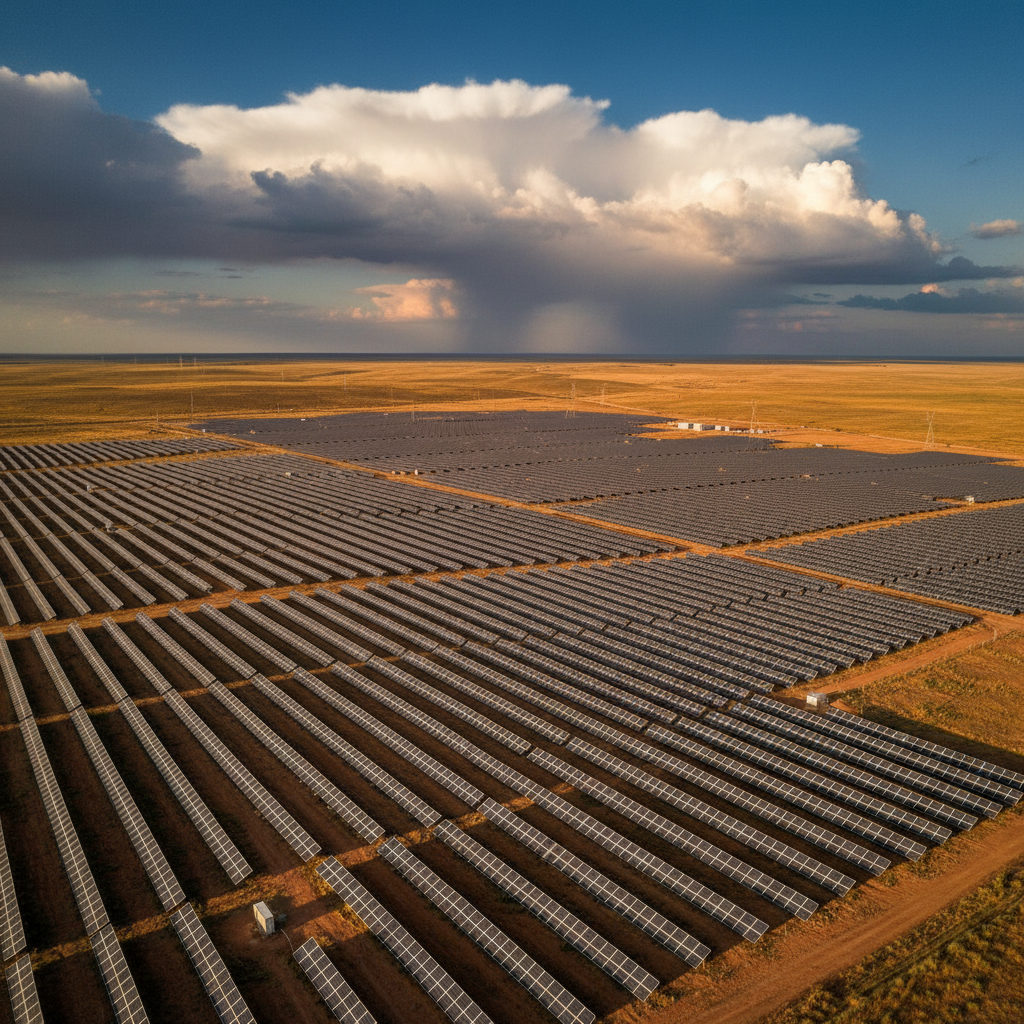
The global solar EPC market, valued at an impressive USD 445.34 billion in 2025 and projected to reach USD 988.20 billion by 2034 with a CAGR of 9.26%, underscores the critical demand for specialized expertise in large-scale solar energy deployments. The transition to sustainable power sources increasingly relies on extensive solar energy infrastructure, demanding sophisticated expertise in Engineering, Procurement, and Construction (EPC). For developers, investors, and project owners, selecting the right EPC contractor is paramount to successfully deploying utility-scale solar farms, ensuring efficiency, reliability, and profitability from initial concept to full operation. Energende stands at the forefront of this evolution, bringing unparalleled experience to complex renewable energy projects.
The Pivotal Role of EPC in Utility-Scale Solar Energy Projects
Utility-scale solar energy projects represent the backbone of the modern renewable grid, delivering significant power output directly to electricity transmission networks. These installations typically exceed 5 megawatts (MW) and often stretch into hundreds of megawatts, requiring immense capital investment and intricate coordination. Unlike smaller commercial or residential systems, utility-scale solar demands a highly specialized approach to every phase of development, from land acquisition and environmental impact assessments to sophisticated grid interconnection.
An EPC contractor acts as the single point of accountability for these monumental endeavors, mitigating risks and streamlining execution. They take on the comprehensive responsibility for the entire project lifecycle, ensuring that the solar farm is delivered on time, within budget, and to the highest quality standards. This integrated approach is critical for managing the vast array of stakeholders, regulatory bodies, and technical challenges inherent in such large-scale developments.
Integrated EPC models are not merely a convenience; they are a necessity for modern solar farms. By centralizing engineering, procurement, and construction under one entity, projects benefit from seamless information flow, optimized decision-making, and reduced interfaces between disparate teams. This unified strategy is essential for navigating the complexities and ensuring successful outcomes in a rapidly evolving energy landscape. For further insights on how project developers can build scalable business models in this sector, explore our article on Renewable Energy Project Developers and Scalable Business Models Explained.
Defining Utility-Scale Solar Energy and Its Demands
- Utility-scale solar energy projects are power plants designed to generate electricity for the grid, often covering vast areas and producing significant power, measured in megawatts.
- Their demands include robust financial backing, extensive land use planning, complex regulatory navigation, and advanced technical integration with existing grid infrastructure.
- Success hinges on meticulous planning and execution, emphasizing scalability, long-term performance, and economic viability.
From Concept to Commissioning: The EPC Lifecycle
- The EPC lifecycle begins with feasibility studies, site selection, and initial engineering designs, laying the groundwork for the entire project.
- It progresses through detailed engineering, equipment procurement, construction, testing, and finally, commissioning and handover to the owner-operator.
- Each stage is interconnected, with decisions made early on having profound impacts on subsequent phases and overall project success.
Why Integrated EPC is Critical for Modern Solar Farms
- Integrated EPC consolidates responsibility, reducing fragmentation and potential for delays or cost overruns that often plague multi-vendor projects.
- It fosters a holistic approach, where engineering, procurement, and construction teams collaborate from day one, leading to optimized designs and efficient execution.
- This model provides a clear line of communication and accountability, making it easier for project owners and investors to track progress and ensure adherence to performance targets.
Navigating Complexities: Engineering for Large-Scale Solar Infrastructure
Engineering for large-scale solar infrastructure goes far beyond simply arranging solar panels. It involves sophisticated system design, meticulous site analysis, and an in-depth understanding of electrical grids and regulatory environments. Advanced engineering ensures that every component of the solar farm, from the PV modules to the inverters and grid connection points, works together harmoniously to achieve maximum energy yield and system longevity. This precision is critical for delivering on performance guarantees and maximizing return on investment.
One of the most significant engineering challenges in utility-scale solar is grid integration. Connecting a massive new power source to an existing grid requires detailed studies, adherence to complex interconnection standards, and often significant upgrades to transmission infrastructure. EPC contractors must possess deep expertise in power systems engineering to navigate these hurdles, ensuring reliable and stable power delivery to the national grid. This necessitates understanding local grid codes and working closely with utility companies.
Environmental compliance and permitting represent another layer of complexity. Large solar farms impact local ecosystems and communities, requiring extensive environmental impact assessments, public consultations, and securing numerous permits from various governmental agencies. Effective EPC contractors have dedicated teams that specialize in this area, ensuring that projects comply with all local, state, and federal regulations, thereby avoiding costly delays and legal issues.
Advanced System Design and Optimization
- Sophisticated engineering tools and simulations are used to optimize panel layout, tracking systems, and inverter sizing for maximum energy capture.
- Designs consider shading analysis, meteorological data, terrain, and soil conditions to create a resilient and high-performing solar asset.
- The goal is to achieve the lowest Levelized Cost of Energy (LCOE) while ensuring robust system reliability and operational efficiency over decades.
Grid Integration and Interconnection Challenges
- EPC contractors manage complex grid studies, including power flow, short circuit, and stability analyses, to ensure seamless integration without disrupting the existing grid.
- Negotiating interconnection agreements and coordinating with utility companies for transmission line upgrades or new substation construction are critical steps.
- Expertise in regional transmission organization (RTO) and independent system operator (ISO) requirements is essential for smooth project deployment.
Environmental Compliance and Permitting
- Thorough environmental impact assessments are conducted to identify and mitigate potential effects on wildlife, water resources, and land use.
- EPC teams manage the labyrinthine process of obtaining permits, which can involve federal, state, and local agencies, sometimes requiring years of dedicated effort.
- Ensuring social license and community engagement is also a vital part of the permitting process, building local support for the project.
Strategic Procurement and Construction for Solar Energy Deployments
In the realm of large-scale solar energy projects, strategic procurement transcends mere cost-cutting; it’s about optimizing the entire supply chain to secure high-quality components, mitigate risks, and ensure timely delivery. This involves careful vendor selection, negotiation of long-term contracts, and robust logistics planning for everything from millions of solar panels to miles of cabling. EPC contractors leverage their global networks and purchasing power to secure competitive pricing and ensure component compatibility, which is crucial given the investment value in solar infrastructure.
Efficient construction methodologies are paramount for bringing these mega-projects online within aggressive timelines. Modern solar farms utilize advanced construction techniques, including automated piling, robotic panel installation, and modular substation assembly, to accelerate deployment. Adherence to stringent safety standards is non-negotiable, protecting workers, the environment, and the valuable equipment on-site. EPC contractors implement comprehensive safety programs and conduct regular audits to maintain an incident-free environment, aligning with international best practices.
The integration of energy storage systems, primarily large-scale batteries, is rapidly becoming a standard feature in utility-scale solar energy deployments. This enhances grid stability, allows for dispatchable solar power, and maximizes revenue opportunities by storing excess energy for peak demand periods. Advanced technologies such as smart grid controls and artificial intelligence for predictive maintenance are also seamlessly woven into these projects, maximizing their operational efficiency and extending their economic lifespan. Explore how similar strategic approaches are vital for Wind Energy Project Financing Models for Institutional Investors.
Optimizing Supply Chains and Vendor Management
- Strategic procurement focuses on securing reliable, high-performance components while minimizing lead times and addressing geopolitical supply chain risks.
- Rigorous due diligence on manufacturers and suppliers ensures that all equipment meets specified technical standards and quality assurances for longevity.
- Integrated procurement strategies, as highlighted by industry reports, move beyond price alone, emphasizing coordination and integration with storage, grid, and off-take infrastructure.
Efficient Construction Methodologies and Safety Standards
- Utilizing pre-fabrication, modular construction, and specialized heavy equipment accelerates installation while maintaining precision and quality control.
- Comprehensive health, safety, and environmental (HSE) protocols are implemented across all construction phases to protect personnel and prevent incidents.
- Detailed project scheduling and continuous progress monitoring ensure that construction milestones are met, keeping projects on track for timely commissioning.
Integrating Energy Storage and Advanced Technologies for Solar Energy
- EPC contractors design and integrate large-scale battery energy storage systems (BESS) to complement solar energy generation, enabling grid flexibility and revenue stacking.
- Deployment of advanced SCADA systems and digital twins for real-time monitoring and control enhances operational visibility and predictive capabilities.
- The incorporation of smart inverters and grid-forming technologies supports grid stability and allows solar farms to act as sophisticated grid assets.
Ensuring Long-Term Performance: Operations & Maintenance for Mega Solar Projects
The successful deployment of a utility-scale solar project is only the beginning. Ensuring its long-term performance and profitability hinges on robust Operations and Maintenance (O&M). Proactive monitoring and predictive maintenance are cornerstones of effective O&M, using real-time data analytics to identify potential issues before they lead to costly downtime. This includes monitoring performance ratios, inverter efficiency, and panel health, allowing for targeted interventions that maintain peak operational efficiency.
Maximizing asset uptime and ROI is the ultimate goal of O&M. Downtime, even for short periods, can significantly erode revenue streams and diminish investor returns. As industry experts note, without active O&M, performance losses can quietly erode ROI. Therefore, comprehensive O&M strategies encompass everything from routine inspections and cleaning to rapid-response repair services and spare parts management. This dedication to continuous performance optimization protects the substantial investment made in solar infrastructure.
Lifecycle management for mega solar projects extends over decades, requiring a strategic approach to component degradation, technology upgrades, and performance guarantees. EPC contractors, or their O&M partners, often provide performance guarantees, ensuring that the solar farm meets specific generation targets over its operational lifespan. This commitment to long-term asset health and performance is vital for maintaining investor confidence and securing the financial viability of renewable energy assets. Understanding these performance guarantees is also crucial when considering Power Purchase Agreement Developers Creating Stable Energy Revenue Streams.
Proactive Monitoring and Predictive Maintenance
- Advanced Supervisory Control and Data Acquisition (SCADA) systems provide continuous, granular data on every aspect of the solar farm’s operation.
- Predictive analytics, leveraging AI and machine learning, forecast potential equipment failures, enabling pre-emptive maintenance and reducing unscheduled downtime.
- Regular aerial inspections using drones with thermal imaging detect anomalies like hot spots or damaged panels quickly and efficiently, optimizing repair schedules.
Maximizing Asset Uptime and ROI
- Strategic maintenance schedules are designed to minimize interruptions to power generation while ensuring all components are kept in optimal condition.
- Rapid-response teams and local spare parts inventory reduce Mean Time To Repair (MTTR), ensuring quick recovery from any operational issues.
- Effective O&M safeguards revenue streams, preserves the asset’s value, and ensures the solar farm consistently delivers its projected financial returns.
Lifecycle Management and Performance Guarantees
- Comprehensive lifecycle management involves strategic planning for component replacements, technology upgrades, and asset repowering over the project’s 25-30 year lifespan.
- EPC and O&M contracts often include stringent performance guarantees, holding contractors accountable for maintaining specific output levels and reliability standards.
- This long-term commitment ensures that the solar asset continues to be a high-performing and profitable contributor to the renewable energy portfolio.
For deeper insights on related topics, our article on Renewable Energy Project Developers and Scalable Business Models Explained explores complementary aspects of Energende’s renewable energy approach that project developers will find valuable.
Frequently Asked Questions About Solar Energy
Q: What defines a ‘large-scale’ solar energy project managed by EPC contractors?
A: Large-scale solar energy projects typically involve installations exceeding 5 MW, often extending to hundreds of megawatts, designed to feed directly into the grid or power major industrial operations. EPC contractors manage all facets, from initial design to commissioning, ensuring seamless integration and optimal performance for these utility-grade assets.
Q: How do EPC contractors mitigate risks in utility-scale solar energy development?
A: EPC contractors mitigate risks through comprehensive planning, rigorous due diligence, and robust contract management. This includes managing supply chain volatility, navigating regulatory hurdles, and implementing advanced project management techniques to stay on schedule and within budget, thereby safeguarding the investment in solar energy infrastructure. For more on risk management in renewable infrastructure, the International Renewable Energy Agency (IRENA) offers extensive resources.
Q: What are the key components of an EPC contract for solar energy infrastructure?
A: A solar energy EPC contract typically covers detailed engineering design, procurement of all necessary equipment (panels, inverters, racking, etc.), and the complete construction and commissioning of the solar farm. It often includes performance guarantees, safety protocols, and a clear timeline for project delivery, ensuring accountability and quality.
Q: Why is integrated procurement crucial for modern solar energy projects?
A: Integrated procurement for solar energy projects moves beyond simple price negotiation, focusing on holistic coordination and integration of all project components, including storage, grid connections, and off-take infrastructure. This approach aligns engineering, construction, and long-term performance obligations from the outset, optimizing efficiency and reducing systemic risks. The U.S. Energy Information Administration (EIA) provides further context on solar integration trends.
Partner with Energende
As the global demand for sustainable power surges, expert EPC contractors are indispensable for delivering the complex, large-scale solar energy infrastructure required. Energende stands ready to transform your vision into operational reality, ensuring robust and efficient renewable asset deployment that meets the highest standards of performance and reliability. Our commitment to excellence in engineering, procurement, and construction for utility-scale solar energy projects ensures your investment yields optimal returns and contributes significantly to the clean energy transition. We meticulously manage every phase, from initial concept to long-term operation, guaranteeing that your solar assets perform efficiently and reliably. The solar EPC market is poised for significant growth, and Energende is your ideal partner to navigate its complexities and capitalize on its opportunities. For further reading on the future of renewable energy infrastructure, you might find the International Energy Agency (IEA)‘s outlook on solar invaluable.
Contact us today to discuss your project requirements and discover our tailored EPC solutions for solar farms and beyond.