
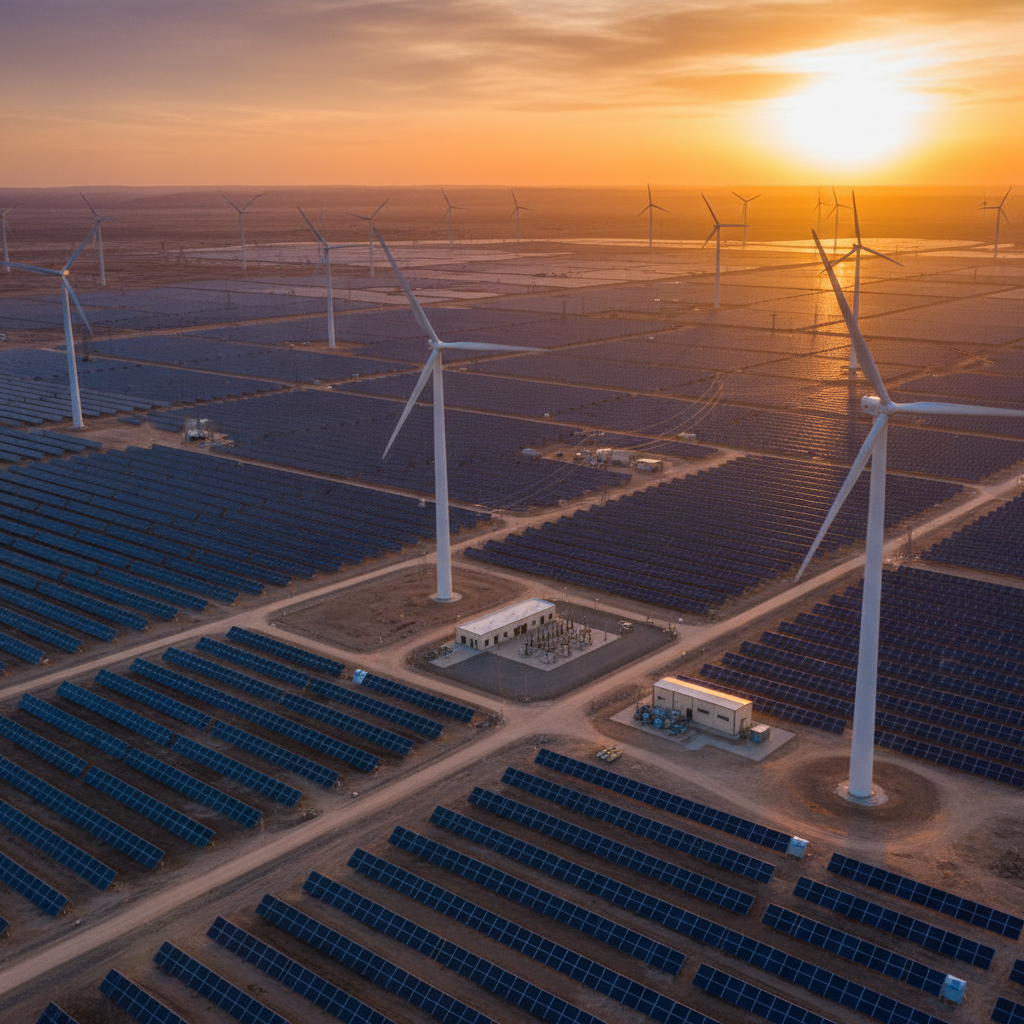
Developing robust renewable energy infrastructure requires innovative financing and long-term stability, areas where Power Purchase Agreement (PPA) developers excel. These critical agreements provide the financial bedrock for large-scale projects, from sprawling solar farms to complex hydroelectric plants, enabling predictable revenue streams and attracting essential investment for the energy transition. The renewable power purchase agreement market alone is projected to grow rapidly from $35.42 billion in 2025 to $39.21 billion in 2026, underscoring the vital role PPAs play in global clean energy expansion.
Unlocking Investment for Renewable Energy Infrastructure with PPAs
Power Purchase Agreements are fundamental instruments that de-risk monumental investments in renewable energy infrastructure. They create a secure pathway for financing projects that might otherwise struggle to attract the necessary capital due to perceived market uncertainties. By establishing a clear framework for energy sales, PPAs transform speculative ventures into bankable assets.
Defining Power Purchase Agreements
A Power Purchase Agreement is a long-term contract between an energy generator—such as Energende developing a utility-scale solar farm—and an energy buyer, also known as an off-taker. This agreement stipulates the terms for the sale and purchase of electricity and/or renewable energy credits over an extended period, typically spanning 10 to 20 years or even longer. These contracts are the backbone of securing financing for new energy developments.
PPAs meticulously outline pricing structures, delivery schedules, performance standards, and other critical commercial terms. For large-scale renewable energy infrastructure, these details are paramount, providing clarity and stability to all parties involved. The precise nature of PPAs allows for robust financial modeling and risk assessment, essential for attracting institutional investors.
The Financial Security of PPAs
PPAs significantly enhance the financial security of utility-scale renewable energy projects by providing a guaranteed revenue stream. This long-term certainty mitigates market price volatility, insulating developers from fluctuations in energy prices that could otherwise jeopardize project viability. With fixed or indexed pricing, developers can confidently project returns over decades.
By de-risking investments, PPAs attract significant capital for the construction and operation of massive solar farms, expansive wind energy projects, and powerful hydroelectric plants. This financial stability is a cornerstone for securing non-recourse project financing, enabling the deployment of billions in capital towards sustainable infrastructure globally. Without the predictable cash flows offered by PPAs, the rapid expansion of clean energy would be severely hampered.
The Strategic Advantages of PPAs for Renewable Energy Infrastructure Developers
For developers, securing a robust Power Purchase Agreement is often the most critical step after site acquisition and permitting. It transforms a conceptual renewable energy infrastructure project into a financially viable and attractive investment opportunity. These agreements offer a multitude of strategic benefits that underpin the success of large-scale green energy initiatives.
De-risking Large-Scale Projects
PPAs provide an unparalleled level of risk mitigation for large-scale renewable energy infrastructure. They offer guaranteed off-take for the generated electricity, meaning the developer has a secured buyer for the power produced. This certainty removes a major variable for investors and lenders, making projects significantly more appealing for long-term financing.
Project bankability is dramatically enhanced by predictable pricing agreements that can extend for 20 years or more. Lenders are more willing to provide capital when assured of stable cash flows, viewing the PPA as a form of collateral. This long-term contractual certainty minimizes exposure to market shifts and regulatory changes, supporting substantial investment into new facilities.
Ensuring Predictable Revenue
The primary financial advantage of PPAs for developers is the assurance of predictable revenue streams. Whether through fixed prices, indexed rates, or a combination, these contracts allow developers to forecast earnings with high accuracy over extended periods. This predictability is vital for meeting debt service obligations and delivering consistent returns to equity investors.
Beyond financial certainty, PPAs also support the growing corporate sustainability commitments of energy buyers. Many corporations, from tech giants to manufacturing firms, are pledging to power their operations with 100% renewable energy. This drives significant demand for new renewable energy infrastructure and creates a robust market for long-term PPAs, ensuring a steady stream of opportunities for developers.
PPA Applications Across Diverse Renewable Energy Infrastructure
Power Purchase Agreements are versatile financial instruments, custom-tailored to suit the unique characteristics and operational profiles of different types of renewable energy infrastructure. From the intermittent nature of solar and wind to the constant demands of hydroelectric and data centers, PPAs provide essential contractual frameworks.
Solar Farms and Wind Energy Projects
For utility-scale solar farms and wind energy projects, PPAs are crucial for managing the inherent intermittency of these generation sources. Agreements can be structured to account for varying output, often incorporating provisions for energy storage or balancing services. This flexibility ensures that the off-taker receives reliable power, despite natural fluctuations in generation.
Developers like Energende negotiate PPAs that optimize revenue streams while meeting the specific needs of off-takers, whether a corporate buyer or a utility. These agreements often span multiple megawatts (MW) to gigawatts (GW) of capacity, representing substantial investments in modern renewable energy infrastructure. For instance, recent market data indicates that North American solar PPA prices rose 4.7% in Q1 2026, with wind prices increasing nearly 8%, reflecting a dynamic but essential market.
Hydroelectric and Solar-Powered Data Centers
Hydroelectric plants, known for their consistent and dispatchable power generation, also benefit immensely from tailored PPAs. These agreements can emphasize baseload power delivery, offering steady electricity supply that is highly valued by utilities and large industrial consumers. For more details on financing these robust projects, explore our insights on Hydroelectric Project Financing Strategies for Long Term Investment Success.
The burgeoning sector of solar-powered data centers represents another critical application for PPAs. These facilities demand vast, uninterrupted supplies of clean energy. PPAs are custom-designed to meet these critical, high-volume energy needs, often involving dedicated generation assets. The transition of hyperscale corporate energy procurement from single-project PPAs to multi-gigawatt portfolio-based partnerships highlights this shift, as corporations act as active enablers of new generation to secure massive volumes of reliable, clean power for AI infrastructure. Our article on Renewable Energy Data Center Trends Shaping Sustainable Infrastructure offers further insights into this rapidly expanding sector.
Navigating the Evolving Market for Renewable Energy Infrastructure PPAs
The landscape for Power Purchase Agreements supporting renewable energy infrastructure is undergoing rapid evolution, driven by technological advancements, market demands, and escalating corporate sustainability targets. Understanding these dynamics is crucial for developers, investors, and off-takers alike.
Market Growth and Price Trends
The renewable PPA market has experienced impressive growth, with projections indicating a rise from $35.42 billion in 2025 to $39.21 billion in 2026 at a compound annual growth rate (CAGR) of 10.7%. This expansion is fueled by increasing corporate sustainability commitments, the continued volatility in conventional energy prices, and the global expansion of utility-scale renewable projects. Such growth underscores the indispensable role of PPAs in financing green initiatives. For further market analysis, reports from organizations like the International Renewable Energy Agency (IRENA) provide valuable context on global trends and investment flows in renewable energy. You can find more information on their official website: IRENA.
Despite this growth, developers must also navigate evolving price trends. According to LevelTen Energy data, average North American solar PPA prices increased 13% year-over-year, and wind prices rose 24% over the same period. These increases reflect various factors, including rising material costs, supply chain pressures, and increased demand. Strategic negotiation and strong developer partnerships are therefore more important than ever.
Future Outlook for PPA Development
The future of renewable energy infrastructure PPAs points towards more sophisticated and larger-scale agreements. There’s a noticeable trend towards portfolio-based procurement, especially for massive clean power volumes required by energy-intensive sectors such as hyperscale data centers. Corporations are increasingly entering long-term commitments with developers, acting as enablers of new generation rather than just passive buyers.
Energy storage solutions are also becoming integral to PPA structures, particularly for supporting large industrial loads. Pairing renewable generation with battery storage helps smooth intermittent output, provides reliability during grid disturbances, and allows participation in wholesale energy and ancillary service markets. This integration ensures higher reliability and flexibility for the expanding global renewable energy infrastructure. The U.S. Department of Energy (DOE) regularly publishes insights on grid modernization and energy storage integration, which can be found on their website: U.S. Department of Energy.
For deeper insights on related topics, our article on Utility Scale Solar Projects Supporting ESG Driven Investment Strategies explores complementary aspects of Energende’s renewable energy approach that project developers will find valuable.
Frequently Asked Questions About renewable energy infrastructure
Q: What exactly is a PPA in the context of renewable energy infrastructure?
A: A Power Purchase Agreement (PPA) is a long-term contract between a renewable energy generator (like Energende) and an energy buyer (off-taker). It outlines the terms for the sale and purchase of electricity and/or renewable energy credits from a renewable energy infrastructure project for a specified period, typically 10 to 20 years.
Q: How do PPAs contribute to the stability of renewable energy infrastructure investments?
A: PPAs provide crucial financial stability by guaranteeing a predictable revenue stream for developers and investors. This long-term certainty mitigates market price volatility and enhances project bankability, making large-scale renewable energy infrastructure projects more attractive to financiers and reducing investment risk.
Q: What types of renewable energy infrastructure benefit most from PPAs?
A: Utility-scale projects across all renewable energy sectors heavily benefit from PPAs, including solar farms, wind energy developments, and hydroelectric plants. Even specialized infrastructure like solar-powered data centers rely on PPAs to secure long-term, clean energy supply for their intensive operations.
Q: How has the market for renewable energy infrastructure PPAs evolved recently?
A: The renewable energy infrastructure PPA market has seen rapid growth, driven by increasing corporate sustainability commitments and the expansion of utility-scale projects. There’s a notable shift towards portfolio-based procurement for massive clean power volumes, especially from sectors like hyperscale data centers, transforming how large-scale energy deals are structured.
Partner with Energende
Power Purchase Agreements are more than just contracts; they are foundational instruments driving the expansion and financial viability of global renewable energy infrastructure. By securing long-term revenue and mitigating risk, PPAs empower developers like Energende to build the sustainable energy future we need, ensuring a stable and reliable transition away from conventional fuels. Our expertise in developing and structuring complex PPAs provides the certainty and predictability essential for monumental projects. For comprehensive data and statistics on the broader energy market, sources like the U.S. Energy Information Administration (EIA) offer detailed reports: EIA.
Ready to power your operations with reliable, large-scale renewable energy infrastructure? Contact Energende today to discuss your project needs and explore how our expert PPA development can secure your stable energy future.