
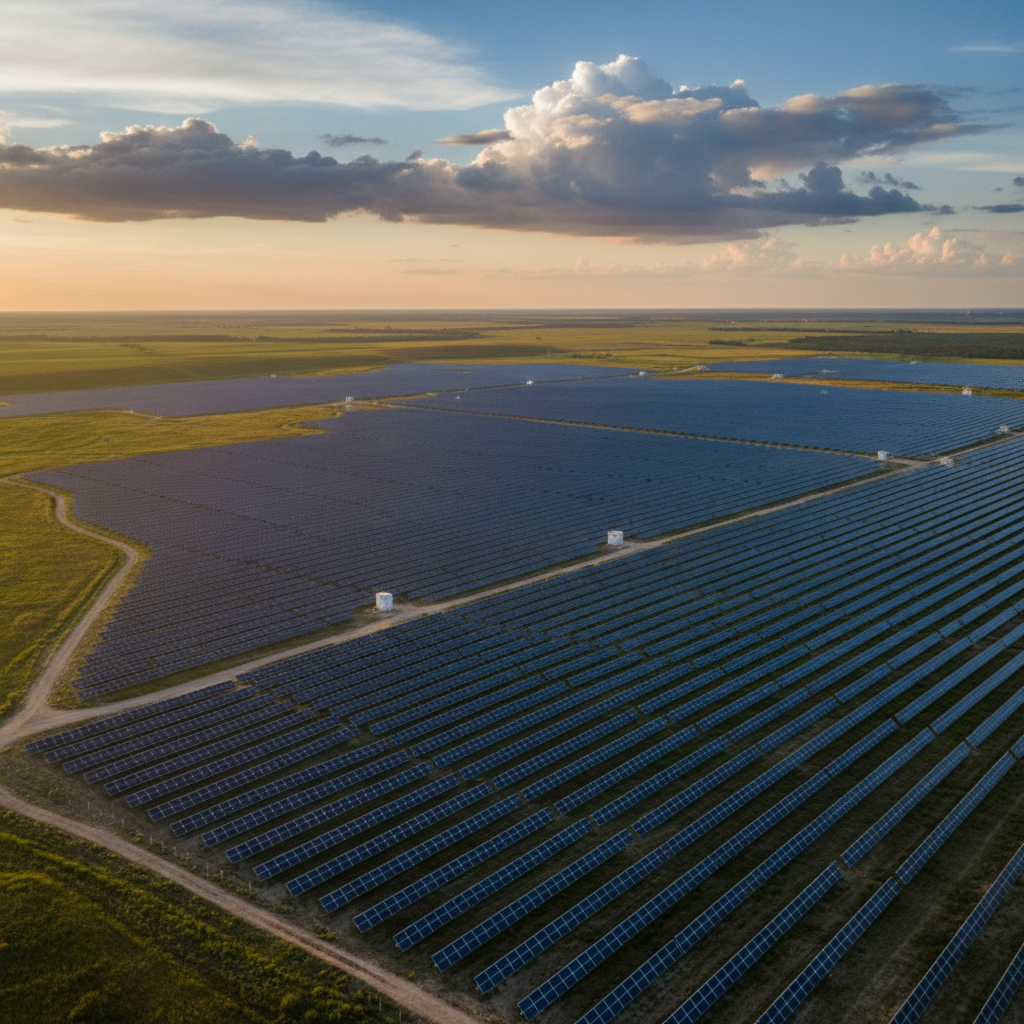
In today’s rapidly evolving energy landscape, securing reliable and sustainable solar energy solutions has become a critical strategic imperative for data centers and large enterprise energy buyers. As the demand for always-on, carbon-free energy intensifies, particularly with the explosive growth of AI infrastructure, utility-scale Power Purchase Agreements (PPAs) are transitioning from a sustainability goal to a foundational business necessity.
The Strategic Imperative of Utility-Scale Solar Energy PPAs
The insatiable energy demands of modern data centers, especially those powering Artificial Intelligence (AI) infrastructure, necessitate an unprecedented scale of renewable energy procurement. AI’s constant, high-load power draw requires massive blocks of long-term, fixed-price energy to ensure operational continuity and manage escalating costs. This shift elevates the pursuit of 24/7 Carbon-Free Energy (CFE) from a corporate ESG objective to a critical industrial utility, essential for enabling technological growth and maintaining competitive advantage. Energende understands this need, developing the infrastructure to support these demands.
Powering AI’s Insatiable Demand
- AI’s constant, high-load power draw necessitates massive blocks of long-term, fixed-price energy. The energy consumption of AI training and inference is projected to grow exponentially, placing immense pressure on existing grids.
- Securing 24/7 Carbon-Free Energy (CFE) is now a critical industrial utility, not just an ESG objective. Companies are moving beyond annual renewable energy matching to ensure real-time clean power supply for their operations.
- Large-scale solar energy projects provide the volume and reliability required to meet growing enterprise energy needs. These utility-scale developments offer the consistent supply needed for hyperscale operations.
Decarbonization and Grid Stability
Beyond meeting raw energy demand, utility-scale solar energy PPAs play a vital role in decarbonization efforts and enhancing grid stability. By anchoring new generation capacity, these agreements contribute directly to reducing reliance on fossil fuels and stabilizing energy prices over the long term. This strategic investment in green infrastructure provides both environmental benefits and operational resilience, protecting enterprises from market volatility.
Evolving Solar Energy PPA Dynamics for Hyperscalers
The landscape of solar energy Power Purchase Agreements is undergoing a significant transformation, driven by the sheer scale of demand from hyperscalers and changing market conditions. What was once considered a large PPA just a few years ago is now dwarfed by multi-gigawatt deals explicitly designed to power specific, energy-intensive data centers.
Shift in Deal Scale and Strategic Purpose
Post-2025 PPAs are fundamentally different from their predecessors. While earlier agreements often aimed for general ESG goals, today’s deals, exemplified by companies like Microsoft’s 10.5 GW commitments, are significantly larger and explicitly tied to powering specific AI data centers. This reflects a strategic shift towards securing guaranteed, long-term clean energy supply for critical infrastructure.
- Post-2025 PPAs are significantly larger (multi-gigawatt) and explicitly tied to powering specific, energy-intensive data centers.
- The objective has matured from annual energy matching to securing 24/7 Carbon-Free Energy (CFE).
- These deals often aim to enable the development of firm, clean power technologies, expanding beyond just intermittent renewables.
Market Conditions and Pricing Trends
According to analysis from Enverus Intelligence Research, the growing competition among solar developers, fueled by tax incentives and robust demand, is creating a buyer’s market. This increased competition could lead to some PPA price declines as early as 2026, offering more favorable terms for enterprise buyers. However, while dramatic cuts to 2010s levels are unlikely, buyers are gaining more power to negotiate contract specifics.
- Increased competition among solar developers is creating a buyer’s market, potentially leading to more favorable terms.
- Average PPA durations are shifting, with a trend towards 17-19 year contracts from previous 20-25 year terms. This flexibility can be advantageous for long-term planning.
- The extensive pipeline of solar projects in many markets suggests robust supply, keeping prices competitive.
Beyond Individual Deals: The Power of Portfolio Procurement for Solar Energy
The traditional model of signing individual, transactional PPAs for single projects is rapidly evolving. Today, leading corporations are moving towards comprehensive portfolio procurement strategies, establishing large-scale, multi-project partnerships with developers like Energende. This approach provides a more robust and diversified energy supply, significantly accelerating the deployment of new generation capacity.
From Transactional to Strategic Partnerships
This shift represents a fundamental change in how corporations interact with renewable energy developers. Rather than merely being a passive buyer, companies are becoming active enablers of new infrastructure. By committing to large-scale portfolio agreements, buyers provide the revenue certainty developers need to finance and build multiple new assets simultaneously, enhancing overall grid resilience. For more insights on project execution, see our article on Renewable Energy EPC Contractors Delivering Large Infrastructure Projects.
- Corporations are moving from signing individual PPAs to establishing large-scale, multi-project partnerships for gigawatts of power.
- Portfolio procurement provides developers with revenue certainty to build multiple new assets, accelerating infrastructure deployment.
- This approach offers buyers a diversified supply, enhancing energy resilience and progress towards 24/7 CFE goals.
Catalyzing New Generation Capacity
Portfolio procurement allows enterprises to leverage their massive buying power not just for cost optimization but also to catalyze the commercialization of emerging clean energy technologies. By anchoring the development of firm, clean power options beyond intermittent renewables, these strategic partnerships contribute to a more diverse and reliable future energy mix. Our expertise as Solar Farm Developers Transforming Utility Scale Energy Production Globally is crucial in these expansive projects.
- These partnerships provide the financial stability to develop entirely new utility-scale solar energy projects.
- The certainty of long-term demand allows for more innovative and larger-scale project designs.
- This proactive engagement helps bridge the gap between ambitious clean energy goals and tangible infrastructure development.
Designing Robust PPA Structures for Large-Scale Solar Projects
For data centers and enterprise energy buyers, the design of a PPA is as critical as the decision to procure renewable energy itself. A robust PPA structure must account for the specific demands of always-on operations, grid complexities, and long-term financial stability. Key contractual considerations, combined with an integrated approach to clean energy portfolios, are paramount.
Critical Contractual Considerations
When negotiating large-scale PPAs, enterprise buyers must scrutinize several contractual elements. Contract length, often trending towards 17-19 years, should align with the operational lifespan of the assets being powered. Transparent pricing structures, including any escalator terms, are essential for predictable budgeting. Furthermore, provisions for transferability, end-of-term options, and clear definitions of performance metrics are vital for mitigating future risks. For an in-depth understanding of utility-scale project development, refer to the International Renewable Energy Agency’s resources on solar power.
- Key aspects include contract length, transparent pricing structures, end-of-term options, and provisions for transferability.
- Understanding the specifics of capacity, generation guarantees, and curtailment clauses is crucial for large-scale buyers.
- Provisions for market fluctuations and grid connection costs must be clearly defined to avoid unexpected expenditures.
Integrated Clean Energy Portfolios
Achieving 24/7 CFE for hyperscale operations often requires integrating solar energy with other firm, clean power technologies. This means combining solar with utility-scale wind, advanced battery storage solutions, and even emerging technologies like geothermal. Such a diversified portfolio helps to mitigate the intermittency associated with single-source renewables and enhances overall energy resilience. Energende specializes in developing these complex, multi-technology solutions to ensure a consistent and reliable energy supply.
- Integrating solar with other firm, clean power technologies like wind, battery storage, and geothermal is essential for 24/7 CFE.
- Strategic PPA design helps mitigate risks associated with grid congestion and intermittency for always-on enterprise workloads.
- This holistic approach allows enterprises to build truly resilient and sustainable energy profiles, reducing reliance on grid purchasing at peak times. More information on global energy trends can be found at the International Energy Agency.
For deeper insights on related topics, our article on Utility Scale Wind Energy Projects Expanding Across Asian Markets explores complementary aspects of Energende’s renewable energy approach that project developers will find valuable.
Frequently Asked Questions About solar energy
Q: Why are tech companies signing such massive solar energy deals now?
A: The primary driver is the explosive energy demand from AI infrastructure, which requires constant, high-load power. These massive solar energy deals are a strategic imperative to enable growth, manage costs, and meet decarbonization goals for always-on operations. They represent a fundamental shift from general ESG goals to critical operational necessity.
Q: How do today’s solar energy PPAs differ from those signed a few years ago?
A: Today’s solar energy PPAs are fundamentally larger in scale (multi-gigawatt) and have a different strategic purpose. They are explicitly tied to powering specific, energy-intensive AI data centers and aim for 24/7 Carbon-Free Energy, moving beyond general ESG goals. The average duration has also shortened slightly, reflecting market shifts.
Q: What is ‘portfolio procurement’ in the context of large-scale solar energy projects?
A: Portfolio procurement is a strategy where a corporation establishes a large-scale, multi-project partnership with a developer for gigawatts of power. It provides developers with revenue certainty to build multiple new assets and offers the buyer a large, diversified supply of solar energy. This approach shifts buyers from passive consumers to active enablers of new infrastructure.
Q: Will solar energy PPA prices decline in the coming years?
A: According to analysis, growing competition among solar developers, fueled by tax incentives and demand, could lead to some PPA price declines as early as 2026. While dramatic cuts to 2010s levels are unlikely, buyers may gain more power to negotiate terms. This suggests a more balanced market for procuring utility-scale solar energy.
Partner with Energende
The landscape for large-scale solar energy PPAs is evolving rapidly, driven by unprecedented demand from data centers and enterprises. Energende stands ready to partner with you to navigate these complexities, developing the robust, utility-scale solar energy infrastructure vital for a sustainable and resilient future. Our expertise in project development, financing, and execution ensures that your enterprise’s energy needs are met with optimal solutions, enabling your growth while achieving critical decarbonization goals.
Ready to secure your enterprise’s energy future? Contact Energende today to discuss your utility-scale solar project development needs and explore tailored PPA solutions.