
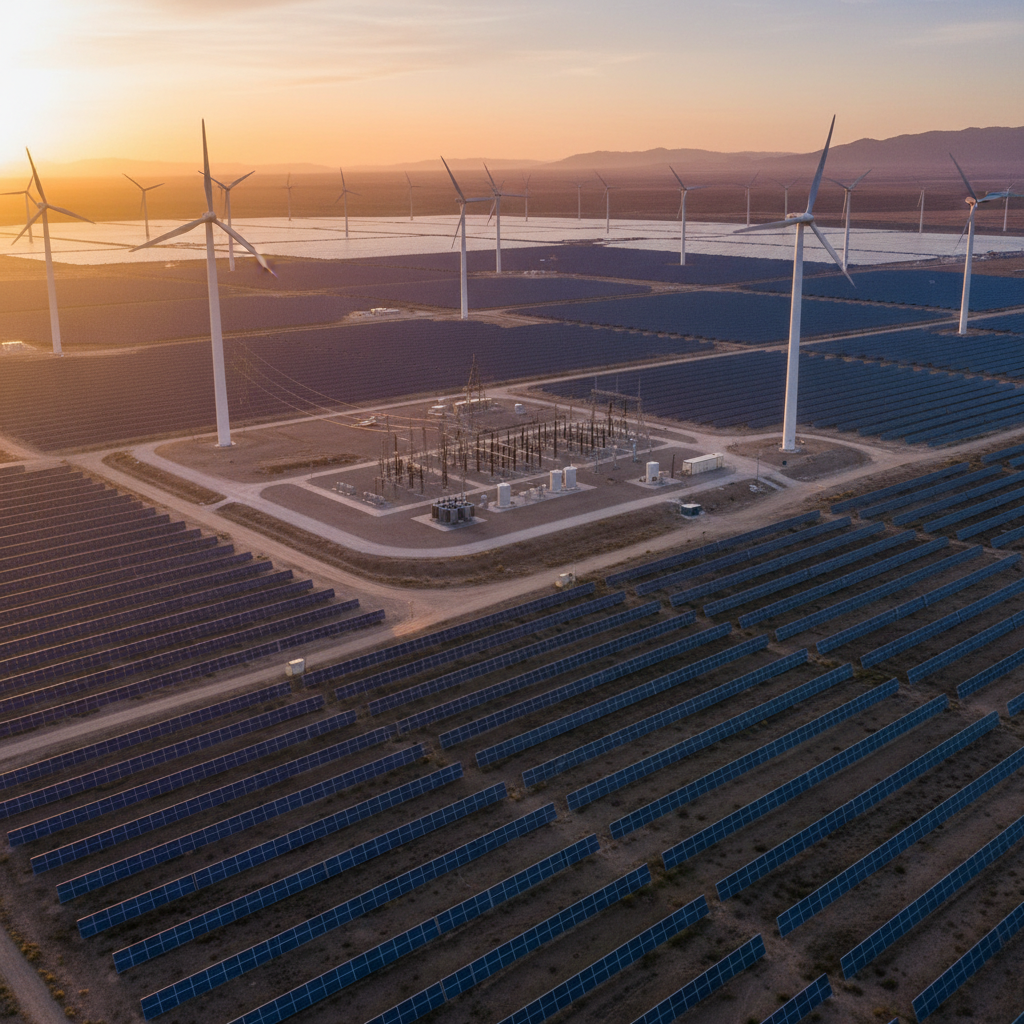
The global energy transition hinges on robust and scalable renewable energy infrastructure, which has become a cornerstone of sustainable economic development and environmental stewardship. For developers, investors, and project owners, partnering with the right Engineering, Procurement, and Construction (EPC) contractor is crucial to navigating the inherent complexities of these ambitious ventures. Energende offers unparalleled expertise in delivering large-scale renewable energy infrastructure, ensuring projects are completed on time, within budget, and to the highest industry standards.
Navigating the Complexities of Renewable Energy Infrastructure Projects
Developing utility-scale renewable energy projects demands a meticulous approach, integrating diverse technical, regulatory, and logistical challenges. The sheer scale of modern projects, with solar farms growing from an average of 15 MW a decade ago to 90 MW today, underscores the need for specialized EPC expertise. This evolution necessitates a shift from traditional procurement to integrated, multi-asset frameworks that align engineering, construction, grid access, and long-term performance from the outset.
Integrated Project Planning and Design
A holistic EPC strategy ensures a cohesive vision from concept to completion. This includes comprehensive site assessment, intricate system design, and meticulous planning for grid integration. Energende’s integrated project planning covers every detail, mitigating potential conflicts and optimizing performance before ground is broken.
Our engineering teams leverage advanced modeling and simulation tools to design efficient and resilient systems. This front-end loading significantly reduces costly rework and ensures adherence to stringent performance requirements for our renewable energy infrastructure projects.
Overcoming Supply Chain Challenges
The global supply chain for renewable energy components is dynamic and complex. EPC contractors must employ strategic sourcing and robust logistics to secure critical materials and equipment, from high-efficiency solar panels and advanced wind turbine components to sophisticated energy storage solutions. Mitigating risks associated with global price volatility and delivery timelines is paramount.
Successful EPC firms like Energende proactively manage these challenges, establishing strong relationships with trusted suppliers worldwide. This ensures project continuity and prevents delays that can significantly impact project economics and overall delivery for grid scale energy solutions.
Beyond procurement, effective risk mitigation also encompasses navigating regulatory approvals, ensuring environmental compliance, and securing necessary grid connections. A deep understanding of local and international regulations is vital for seamless project execution.
The Role of EPC in Large-Scale Renewable Energy Development
EPC contracting serves as the backbone of large-scale renewable energy project delivery, offering a streamlined, single-point-of-responsibility approach. This model is particularly advantageous for complex developments like utility-scale solar farms, extensive wind energy projects, and robust hydroelectric plants, where coordination across multiple disciplines is critical.
From Concept to Commissioning: A Turnkey Approach
An EPC contractor manages the entire project lifecycle, from initial conceptual design and detailed engineering to equipment procurement, construction, and final commissioning. This turnkey solution minimizes the administrative burden on the client, allowing them to focus on financing and strategic oversight rather than day-to-day project management complexities. The integrated nature of EPC ensures that all phases of development are synchronized, leading to more efficient execution and reduced overall project timelines.
For instance, in January 2025, Larsen & Toubro (L&T) was chosen as the EPC contractor for a gigascale solar project in Abu Dhabi, highlighting the trust placed in comprehensive EPC services for major renewable energy initiatives. Similarly, Gensol Engineering secured a significant EPC project in Gujarat for a 275MW solar PV facility, demonstrating the growing demand for end-to-end solutions.
Ensuring Quality and Performance Standards
Adherence to stringent safety protocols, robust quality control, and environmental regulations is non-negotiable in large-scale energy projects. EPC contractors are responsible for implementing these standards throughout every phase, from the design of turbine foundations to the installation of electrical systems. This commitment ensures the long-term reliability and operational efficiency of the renewable asset.
Modern EPC firms leverage advanced digital tools such as Building Information Modeling (BIM) and Digital Twins for efficient project delivery and asset management. These technologies provide real-time insights, optimize construction processes, and facilitate predictive maintenance, ultimately enhancing the performance and longevity of the renewable energy infrastructure. The EPC Energy Project Conference & Expo in Houston highlights themes like Digital Transformation in Construction, underscoring its importance.
Optimizing Delivery for Diverse Renewable Energy Infrastructure Assets
The diversification of renewable energy sources requires specialized EPC expertise tailored to the unique demands of each technology. Energende excels in delivering custom solutions across a spectrum of large-scale renewable energy infrastructure assets, ensuring optimal performance and long-term sustainability.
Specialized Expertise for Solar and Wind Farms
Utility-scale solar PV and large-scale wind energy projects represent a significant portion of the global renewable energy expansion. EPC contractors like Energende develop tailored solutions that account for site-specific conditions, grid interconnection requirements, and environmental considerations. For solar farms, this involves optimizing panel layout, inverter selection, and civil works to maximize energy yield over the project’s lifespan. Companies like SOLV Energy, recognized as the #1 solar EPC contractor in the US, have built over 13.6 GW of solar PV capacity, showcasing the immense scale and specialization required in this sector.
For wind energy, expertise in turbine selection, foundation design, and intricate balance-of-plant components is critical. The integration of advanced energy storage solutions, such as large-scale battery systems, with both solar and wind generation is becoming increasingly vital for grid stability and reliability. This ensures continuous power supply even when intermittent renewable sources are not actively generating.
Hydroelectric and Solar-Powered Data Centers
Beyond solar and wind, Energende’s capabilities extend to complex hydroelectric power plants, which require extensive civil engineering expertise for dam construction, turbine installation, and water management systems. These projects, often involving significant environmental and social considerations, benefit immensely from an integrated EPC approach that mitigates risks and ensures sustainable development. For more on this, our article on Hydropower Project Developers Driving Growth in Emerging Energy Markets offers further reading.
Furthermore, we are at the forefront of developing innovative solar-powered data centers. These critical infrastructure facilities demand robust, sustainable energy solutions that guarantee high uptime and minimal carbon footprint. Integrating utility-scale solar arrays with advanced battery storage and smart grid management systems provides the stable, reliable power supply essential for modern data processing, transforming the energy landscape for high-performance computing.
Strategic Partnerships and Risk Mitigation in Renewable Energy Infrastructure EPC
Successfully executing large-scale renewable energy infrastructure projects requires more than just technical proficiency; it demands sophisticated risk management and collaborative strategic partnerships. These elements are crucial for de-risking investments and ensuring project longevity in a rapidly evolving energy market.
Collaborative Frameworks for Project Success
Building strong relationships with developers, financiers, local stakeholders, and government bodies is fundamental for seamless project integration and timely approvals. Collaborative frameworks, moving beyond traditional single-point EPC contracts, are increasingly vital. As noted in the Ansarada Renewable Energy Infrastructure Outlook, the procurement challenge is no longer price alone, but coordination and integration.
In regions like Australia, the Renewable Energy Zone (REZ) model exemplifies a strategic response to interface and timing risks. By centralizing transmission and capping zone capacity, governments reallocate curtailment risk, allowing developers to focus on delivery with reduced risk of stranded capacity. This fosters a more collaborative environment where the state backstops critical infrastructure.
Financial and Systemic Risk Reallocation in Renewable Energy Infrastructure
The financial viability of renewable energy infrastructure projects often hinges on effective risk reallocation. This involves employing sophisticated Power Purchase Agreements (PPAs) that provide long-term revenue certainty and government-backed coordination models that de-risk initial investments. The industry is witnessing a tactical shift where construction is delivered via EPC, but financial and systemic risks are managed through these advanced contractual and governmental frameworks.
Energende’s expertise includes navigating complex financial structures and regulatory landscapes to create robust investment opportunities. We ensure long-term operational efficiency and asset longevity through proven methodologies, rigorous testing, and comprehensive maintenance plans, maximizing the return on investment for our partners. This strategic approach minimizes exposure to market fluctuations and regulatory changes, securing the future of the renewable energy infrastructure.
The shift towards integrated, multi-asset frameworks helps align engineering, construction, grid access, and long-term performance obligations, making projects more attractive to investors and more resilient against unforeseen challenges. You can read more about complementary aspects in our article on Solar Farm Developers Transforming Utility Scale Energy Production Globally.
For deeper insights on related topics, our article on Solar Farm Developers Transforming Utility Scale Energy Production Globally explores complementary aspects of Energende’s renewable energy approach that project developers will find valuable.
Frequently Asked Questions About renewable energy infrastructure
Q: What is the primary benefit of hiring an EPC contractor for renewable energy infrastructure?
A: An EPC contractor provides a single point of responsibility for the entire project lifecycle, from design to construction and commissioning. This integrated approach streamlines communication, reduces administrative burden, and often accelerates project timelines for complex renewable energy infrastructure projects.
Q: How do EPC contractors manage risks in large-scale renewable energy infrastructure projects?
A: EPC contractors employ robust risk management strategies, including detailed project planning, comprehensive contract structuring, and sophisticated supply chain management. They also leverage extensive experience to anticipate and mitigate technical, financial, and regulatory challenges inherent in renewable energy infrastructure development.
Q: What types of renewable energy infrastructure projects does Energende specialize in?
A: Energende specializes in large-scale renewable energy infrastructure, including utility-scale solar farms, wind energy projects, hydroelectric power plants, and innovative solar-powered data centers. Our expertise covers the full spectrum of engineering, procurement, and construction for these complex assets.
Q: Why is coordination and integration crucial for modern renewable energy infrastructure projects?
A: Modern renewable energy infrastructure projects, especially those combining generation with storage and grid reinforcement, demand high levels of coordination and integration. This ensures all components work seamlessly, optimizing performance, grid stability, and long-term viability, moving beyond traditional single-point procurement to multi-asset frameworks.
Partner with Energende
The successful delivery of complex renewable energy infrastructure projects hinges on expert EPC contracting, combining technical prowess with strategic project management. Energende stands as a leader in this critical field, committed to building the sustainable energy future through meticulous planning, innovative solutions, and exceptional execution.
Contact Energende today to discuss your next large-scale renewable energy infrastructure project and discover how our EPC expertise can bring your vision to life.